
Key Takeaways
- Understand how the Government Pension Offset can reduce certain Social Security benefits for public employees with pensions.
- Explore who is affected, how to plan for GPO, and strategies for communicating with Social Security offices.
Many federal, state, and local government employees are surprised by the Government Pension Offset (GPO)
- Also Read: Phased Retirement Program: Key Steps, Pension Impact, and Eligibility Rules
- Also Read: Survivor Benefits Comparison: Federal, USPS, and Military Eligibility Rules
- Also Read: Case Study: TSP Loans—Eligibility, Repayment, and Retirement Impact Explained
What Is Government Pension Offset?
GPO policy background
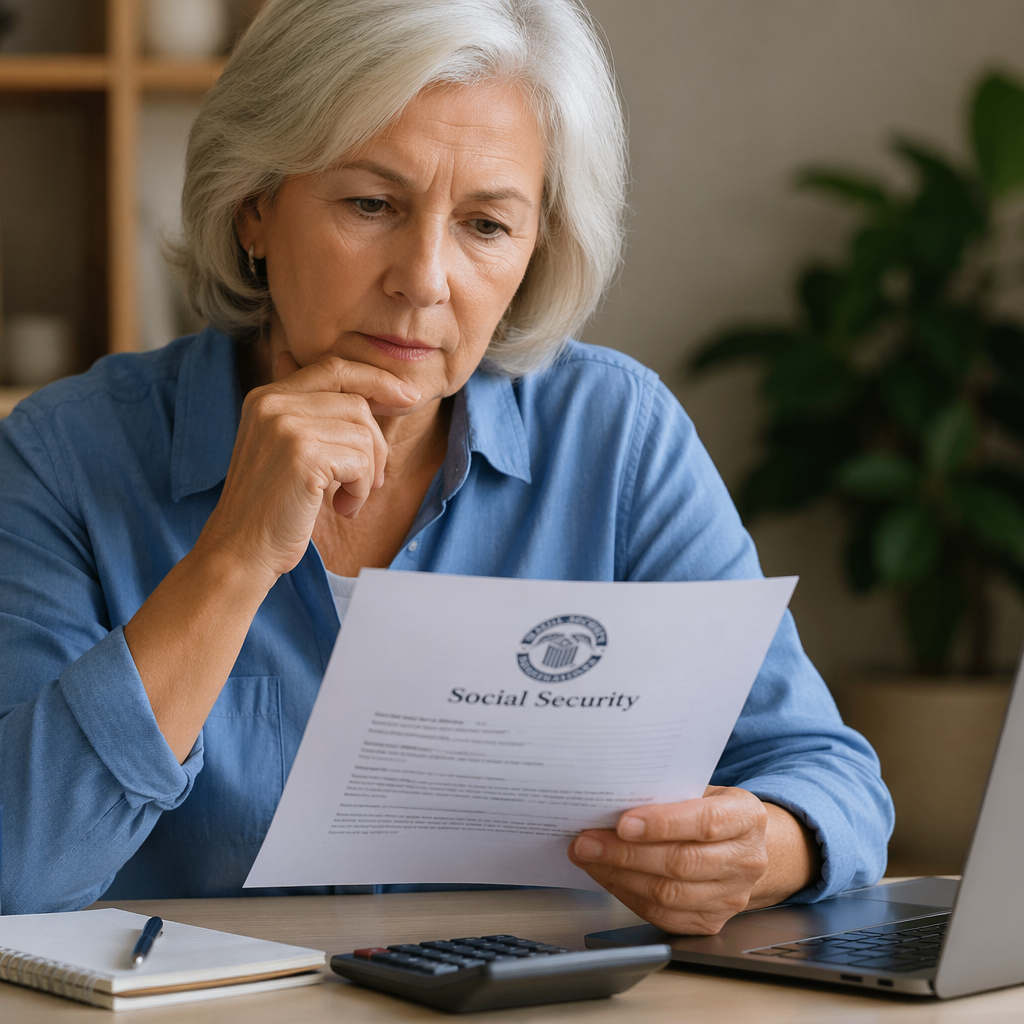
Government Pension Offset (GPO) is a Social Security rule that impacts some public employees who receive a government pension but did not pay Social Security taxes on those earnings. The GPO was created to ensure that retirement benefits are distributed fairly, especially when public sector workers may have access to both a government pension and potential Social Security benefits as a spouse or survivor.
Under standard Social Security rules, a spouse or surviving spouse can often receive a portion of their partner’s benefit—even if they did not have enough Social Security-covered work themselves. With GPO, if you receive a government pension from work not covered by Social Security, your potential spousal or survivor Social Security benefits might be reduced by a significant amount.
Why GPO was established
The GPO was introduced to address an unintended advantage some workers had: receiving both a full government pension and full Social Security spousal (or survivor) benefits. Before GPO, some public servants who did not pay into Social Security were able to get benefits as spouses that were intended for dependents. The policy aims to equalize benefits between private and public sector retirees by preventing what Social Security administrators saw as a duplication of benefits.
How Does GPO Affect Social Security?
Impact on spousal and survivor benefits
The main impact of the GPO rule is on Social Security benefits you may claim as a spouse or widow(er)—not on your own earned Social Security retirement benefit, provided you’ve paid into Social Security and qualify. If you do not qualify for Social Security on your own, but you are eligible for spousal or survivor benefits based on your spouse’s work record, GPO may reduce or in some cases eliminate those benefits if you also get a government pension from non-Social Security covered work.
For example, if you receive a pension from a government job where you did not pay Social Security taxes, your Social Security spousal or survivor benefits may be offset (reduced) by up to two-thirds of your government pension amount. This can result in a much smaller Social Security benefit or, sometimes, none at all from your spouse’s work record.
Who is subject to GPO rules
GPO applies mainly to those who receive a government-sponsored pension based on work that was not covered by Social Security. That typically means:
- Federal workers hired before 1984 under the Civil Service Retirement System (CSRS)
- State or local workers in jobs that do not participate in Social Security
- Some teachers, police officers, and firefighters
If your government job was not part of the federal Old-Age, Survivors, and Disability Insurance (OASDI) program and you collect a pension from that work, you may be subject to GPO.
Who Is Impacted by GPO?
Examples of affected public servants
Many kinds of public employees could be impacted by GPO, depending on their career timeline and employer. Some examples include:
- Federal employees under CSRS who never switched to the Federal Employees Retirement System (FERS)
- State employees in Texas, California, Louisiana, Ohio, and other states where certain jobs don’t pay Social Security taxes
- School district employees, such as teachers or administrators, in states where school pensions are separate from Social Security
- Local law enforcement or firefighters with pension programs outside of Social Security
Key retirement program intersections
The intersection between government pension programs and Social Security is where GPO becomes important. If you have worked both in Social Security-covered and non-covered jobs, your retirement income might come from multiple sources. Understanding how your pension interacts with potential Social Security benefits is crucial for planning.
Keep in mind, not all government workers are affected. For example, those hired under FERS (after 1983) paid into Social Security, so GPO generally does not apply to their benefits. Knowing your retirement program details can help you anticipate whether GPO will affect your finances.
Can You Avoid GPO Implications?
Exceptions and exemptions to know
While the GPO rules are broad, there are a few important exceptions and exemptions:
- If you paid Social Security taxes on your government earnings for at least the last 60 months (five years) of employment before retiring, your pension may no longer trigger GPO.
- Some employees who transitioned from non-covered to covered employment and meet specific timing requirements may be exempt.
- Certain non-U.S. government pensions may be excluded.
To determine if you qualify for any exceptions, review your payroll history to confirm if and when you paid Social Security taxes. Each exception has its own requirements, so it’s best to verify your status directly with your benefits administrator or Social Security office.
Alternative planning considerations
GPO can make a significant difference in your retirement income planning. Even if you cannot exempt yourself entirely, being strategic in your timing and understanding the rules can help. For example:
- Consider the order and timing in which you claim different benefits
- Evaluate whether you need to remain in covered employment to meet the exception period
- Understand all sources of retirement income, not just Social Security and your pension
Consulting with a retirement counselor who specializes in public sector benefits or accessing educational materials through your agency can provide clarity as you make key decisions.
What Questions Do Retirees Ask About GPO?
Common GPO scenarios
Retirees often have questions about how their unique work history influences their Social Security benefits. Some common concerns include:
- How GPO affects benefits if you had multiple jobs, some covered by Social Security and some not
- What happens when both spouses have government pensions
- How remarriage or divorce can change spousal and survivor benefits under GPO
Taking time to map out your specific situation can prevent surprises and give you greater peace of mind as you approach retirement.
Communicating with Social Security offices
It’s important to have direct communication with Social Security offices when you’re subject to GPO. Bring thorough records showing your work history, pension details, and Social Security contributions. Ask specific questions about your eligibility and provide documentation early—mistakes or missed documentation can delay payments or lead to confusion.
Be proactive in updating Social Security about changes in your marital status or pension income. You can also request written explanations or benefit estimates from the Social Security Administration, making it easier for you to plan ahead with accurate information.
Being well-informed about GPO rules puts you in a stronger position to make the best possible choices for your retirement.