
Key Takeaways
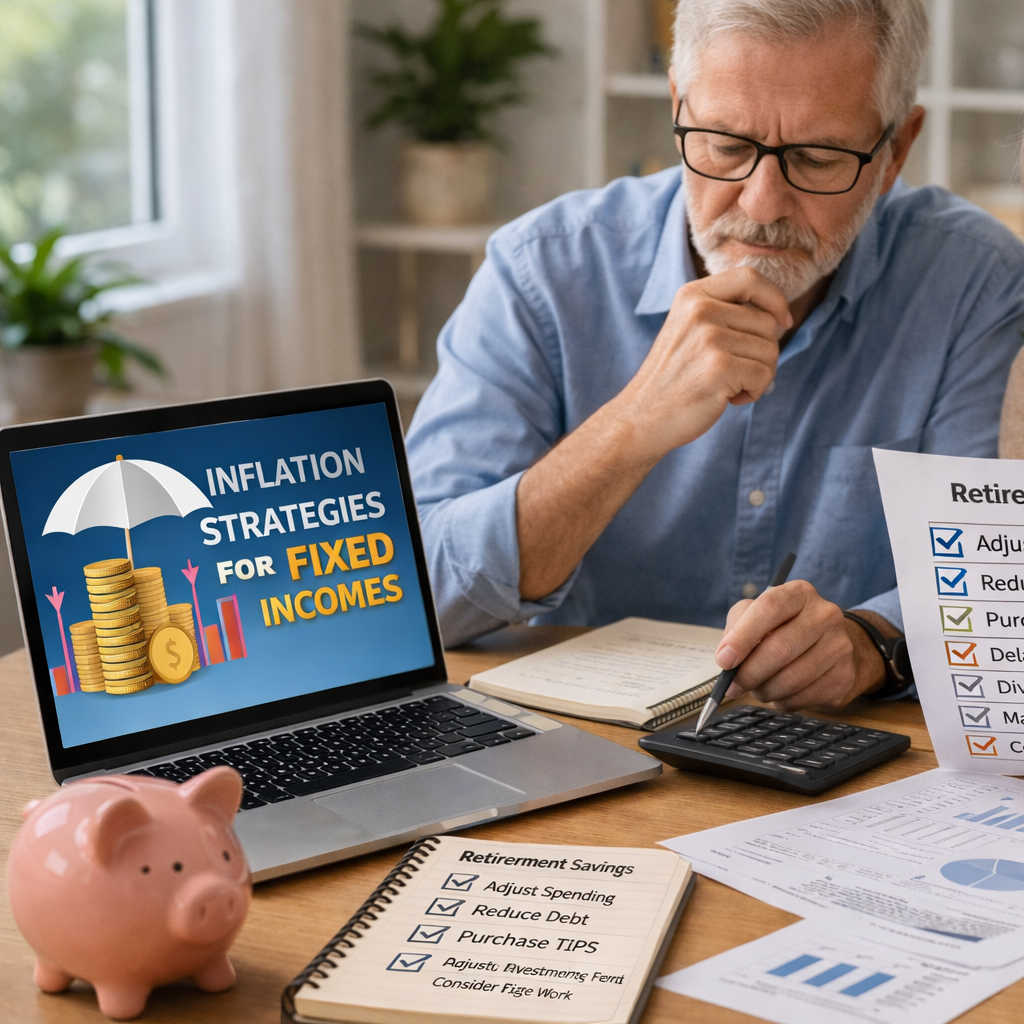
- Proactive budgeting, adjusting to COLA changes, and exploring support programs can buffer inflation’s impact on your retirement.
- Diversifying income sources and keeping healthcare and housing costs in check strengthens your financial protection.
Inflation can quietly erode your purchasing power
- Also Read: Best FEHB Plan Guidance: How to Compare Federal Employee Health Options
- Also Read: Military Deposit Application Forms Walkthrough: Comparing Steps and Alternatives
- Also Read: How-to Use Income Guardrails for Federal Retirees: Strategies and Comparisons
Why Protect Federal Retirement from Inflation?
What inflation means for retirees
As a federal retiree, you’ve worked hard to secure steady benefits, but inflation poses a unique challenge. Your regular payments may not stretch as far each year if prices climb faster than your income. This slow erosion isn’t always noticeable at first, but it can make budgeting challenging over time. Even small increases in daily expenses—like groceries, utilities, or transportation—can strain your finances when you’re no longer working.
Long-term impact on purchasing power
Inflation’s most significant effect is on your future spending power. Over decades, even moderate inflation can reduce the value of your benefits. This means you may need to spend more of your savings to maintain the same lifestyle, or you may need to make adjustments in your spending habits. Keeping an eye on inflation and knowing how it affects your federal retirement is one of the smartest ways to ensure your security and peace of mind.
Adjust Your Budget Regularly
Budget reviews during inflation periods
During times of rising prices, reviewing your budget regularly is essential. A budget is not set in stone—consider it a living tool that helps you stay on track. By checking your spending every few months, you’ll be more aware of where your money goes. Adjustments might be minimal, or you may spot bigger shifts, especially in categories like groceries, utilities, or healthcare.
Identifying expense categories to monitor
Not every expense is equally sensitive to inflation. Focus on essential categories: food, housing, energy, and out-of-pocket healthcare costs. These tend to rise along with inflation and make up a meaningful part of most retiree budgets. By monitoring these areas closely, you can catch changes early and respond before small shifts turn into larger challenges.
Maximize Cost-of-Living Adjustments
Understanding COLA in federal retirement
Federal retirement benefits often include cost-of-living adjustments—commonly called COLAs. These periodic increases aim to help your annuity keep pace with inflation. The adjustment is usually based on government measures of price changes over the past year.
How and when adjustments are applied
COLAs are typically applied annually, though specifics can vary between retirement systems. Some years, the adjustment may be larger, while in others, it could be small or even zero, depending on inflation rates. It’s essential to understand how your particular federal retirement program calculates and applies COLA so you can plan for fluctuations. Keeping track of these increases gives you a clearer picture of your available income and how to plan ahead for both essentials and extras.
How Can Health Care Planning Help?
Managing healthcare costs in retirement
Healthcare often becomes one of the largest expenses during retirement, especially as medical needs grow over time. By planning ahead, you can reduce the financial strain. Review your health insurance annually to ensure it still fits your needs. Staying proactive with preventive care can also limit unexpected health costs.
Federal benefits that can reduce impact
Federal retirees have access to broad healthcare programs, including benefits such as the Federal Employees Health Benefits (FEHB) Program and additional options for eligible military retirees. These benefits are designed to offer stability and minimize out-of-pocket expenses when inflation drives healthcare costs higher. Take time to understand what your plans cover and where you may have choices, so you can make adjustments as needed and avoid surprises.
Diversify Eligible Retirement Income Sources
Types of income streams for retirees
Relying solely on your annuity or pension can leave you more vulnerable to inflation’s effects. Consider all income streams available to you—these might include Social Security, Thrift Savings Plan (TSP) withdrawals, part-time work, or other eligible sources like rental income. By combining different income types, you give yourself greater stability and a buffer if inflation outpaces certain benefits.
Balancing predictable and flexible sources
It’s important to balance predictable income (from federal benefits or Social Security) with flexible sources that you can adjust as needed. For example, income from part-time work or strategic withdrawals from retirement savings can help fill in gaps if living costs rise unexpectedly. This flexibility is a powerful tool in your overall strategy to manage inflation’s impacts.
Evaluate Housing and Location Options
Impact of downsizing or relocating
Housing is both a large expense and a potential source of savings. Downsizing to a smaller home or apartment can free up resources and reduce ongoing costs. Some retirees consider relocating to areas with a lower cost of living, which can make your retirement income stretch further.
Weighing cost-of-living by region
Costs can vary greatly depending on where you live. Research how your current or prospective location stacks up in terms of housing, taxes, and everyday expenses. Even small moves—like shifting to a nearby suburb or state—can have an outsized effect on your monthly budget. Take both quantitative (cost) and qualitative (proximity to family, healthcare access) factors into consideration.
What Programs Support Federal Retirees?
Overview of available federal programs
In addition to your core retirement benefits, there are federal programs intended to support retirees facing unexpected financial challenges. Some provide access to financial counseling, health and wellness resources, or other support tailored to retirees.
How to access support resources
Finding out what’s available starts with reviewing the resources provided by your retirement agency or human resources office. Many federal agencies offer helplines, online portals, or printed guides that explain available programs. If you need extra assistance, don’t hesitate to reach out—early action can open doors to meaningful support and guidance.
By staying informed, regularly reviewing your plans, and using all programs available to you, you can help protect your federal retirement’s value in the face of inflation. A proactive mindset today leads to greater peace of mind tomorrow, allowing you to enjoy retirement on your own terms.