
Key Takeaways
-
Reviewing your Postal Service Health Benefits (PSHB) options carefully in 2025 is critical to avoid unnecessary costs while ensuring full coverage.
-
Coordinating PSHB with Medicare Part A and Part B can significantly reduce out-of-pocket expenses, but timing and enrollment choices must be strategic.
Understanding the Shift to PSHB Plans in 2025
- Also Read: Best Federal Benefits Advisor: Key Roles & Retirement Planning Checklist (2026)
- Also Read: Claiming Strategies for Married Couples: Comparing Spousal and Survivor Benefits
- Also Read: Case Study: Top Open Season Checklist—Reviewing Federal Benefits and Health Plans
If you are already retired or planning to retire soon, understanding these new rules is essential to avoid overpaying or losing essential coverage.
Medicare Enrollment Matters More Than Ever
Beginning in 2025, Medicare integration is mandatory for most PSHB enrollees once they become eligible for Medicare Part A and Part B.
-
If you turned 65 before 2025 and already enrolled in Medicare, your transition to PSHB should be smooth.
-
If you turn 65 in 2025 or later, you must enroll in Medicare Part B to maintain full PSHB coverage unless you qualify for an exception.
Failing to enroll in Medicare Part B when required could result in higher healthcare costs and limited benefits under your PSHB plan.
Timing Your Medicare Enrollment
Understanding when to sign up for Medicare is crucial:
-
Initial Enrollment Period (IEP): Starts three months before you turn 65, includes your birthday month, and extends three months after.
-
General Enrollment Period (GEP): Runs annually from January 1 to March 31 if you miss your IEP, with coverage starting July 1. Late enrollment may lead to penalties.
-
Special Enrollment Period (SEP): Available if you had coverage through active employment, typically giving you an eight-month window after retiring.
Most retirees benefit by enrolling during their IEP to avoid late penalties and to ensure PSHB benefits remain intact.
How Medicare and PSHB Work Together
Coordinating your PSHB plan with Medicare Parts A and B often leads to:
-
Lower out-of-pocket costs
-
Reduced deductibles
-
Waived or minimized copayments
-
Better overall access to providers and hospitals
In 2025, many PSHB plans waive certain cost-sharing features if Medicare is primary. Skipping Medicare enrollment could mean paying higher copays, coinsurance, and deductibles than necessary.
Evaluating Plan Options During Open Season
The annual Open Season from November to December is your opportunity to review and change your PSHB plan.
Key points to consider when evaluating plans:
-
Premiums: Look for a plan with manageable monthly costs without sacrificing needed coverage.
-
Deductibles and Copayments: Ensure the plan offers reasonable cost-sharing.
-
Provider Networks: Confirm your preferred doctors and hospitals are in-network.
-
Prescription Drug Coverage: Check formulary lists to ensure your medications are covered affordably.
-
Coordination with Medicare: Prefer plans that work seamlessly with Medicare Parts A and B.
Avoiding Common Mistakes That Cost Retirees More
Several missteps could cause you to overpay or lose coverage advantages under the PSHB Program in 2025:
-
Ignoring Medicare Part B enrollment: Leads to higher costs and restricted PSHB benefits.
-
Not reviewing plan options annually: Your health needs change, and so do plan offerings.
-
Assuming coverage stays the same post-retirement: Benefits, premiums, and requirements can change year to year.
-
Failing to verify providers are still in-network: Provider networks can shift from one plan year to the next.
Staying proactive during Open Season every year protects your financial and healthcare interests.
Budgeting for Healthcare Costs in Retirement
Even with PSHB and Medicare, healthcare costs remain a significant retirement expense. It helps to budget for:
-
Premiums for PSHB and Medicare Part B
-
Copayments and coinsurance for doctor visits, prescriptions, and hospital stays
-
Deductibles that apply to certain services
-
Out-of-pocket maximums to understand the worst-case annual spending
In 2025, many PSHB plans offer lower cost-sharing for Medicare-enrolled retirees, but setting aside funds for unexpected healthcare needs remains essential.
Prescription Drug Coverage Enhancements in 2025
PSHB enrollees who have Medicare will automatically receive prescription drug benefits through a Medicare Part D Employer Group Waiver Plan (EGWP).
Benefits include:
-
An annual $2,000 out-of-pocket maximum for prescriptions
-
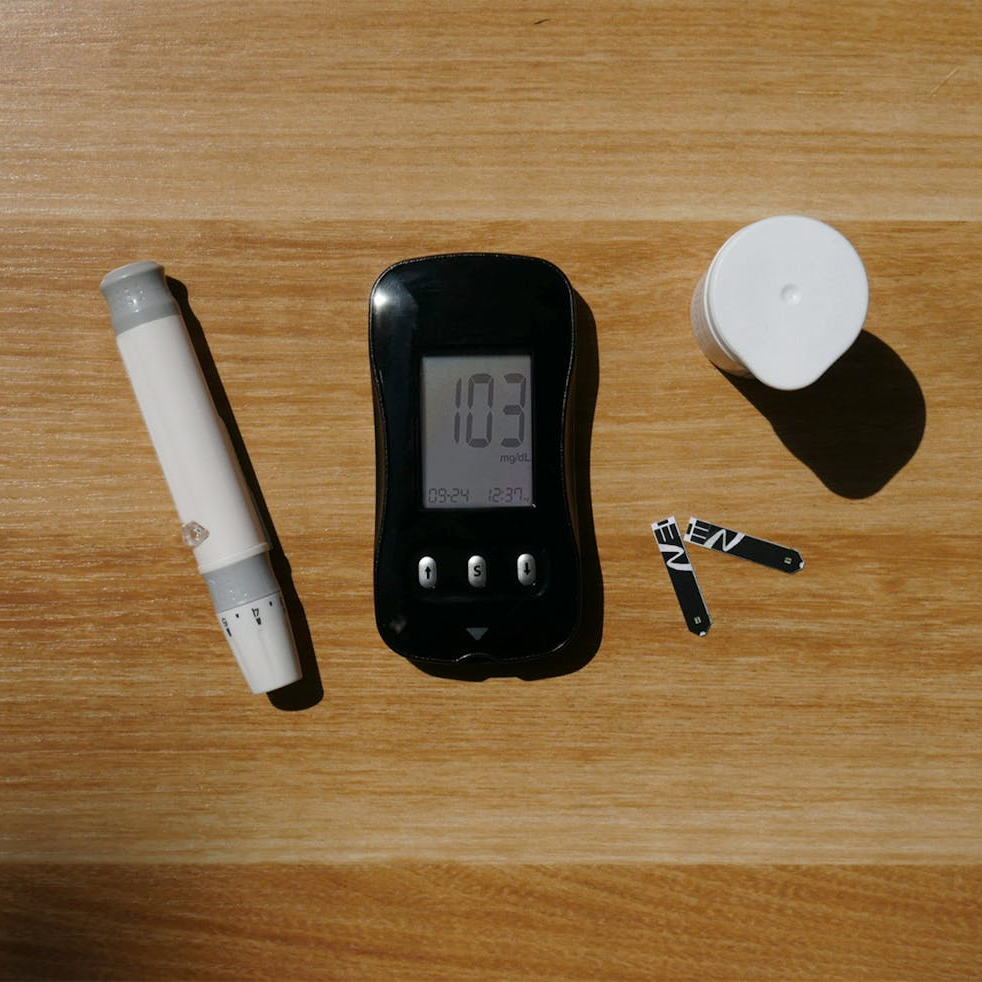
Capped insulin costs at $35 per month
-
Expanded access to national pharmacy networks
Carefully reviewing your plan’s drug coverage can prevent surprises at the pharmacy counter.
Special Considerations for Spouses and Dependents
Your spouse and eligible family members can remain covered under your PSHB plan, but:
-
If they are Medicare-eligible, they must also enroll in Part B to maximize PSHB benefits.
-
Dependents who are not Medicare-eligible will continue under regular PSHB coverage rules.
Failure of family members to align their Medicare enrollment could lead to higher healthcare expenses for your household.
Keeping FEHB Benefits in Context
If you retired before January 1, 2025, and maintained your FEHB plan without enrolling in PSHB, you are grandfathered in under your existing plan. However:
-
You should still coordinate your FEHB with Medicare for cost savings.
-
You retain the right to switch to PSHB during a future Open Season if eligible.
Understanding your specific retirement date and enrollment choices is critical in 2025 to manage costs effectively.
Planning Ahead for Long-Term Care
Healthcare planning should not stop at standard medical and prescription coverage. Consider:
-
Long-term care insurance to cover extended nursing home stays or in-home care
-
Flexible Spending Accounts (FSAs) or Health Savings Accounts (HSAs) if eligible before retirement
-
Setting aside savings specifically earmarked for healthcare emergencies
These additional strategies can shield your retirement savings from being drained by unexpected medical events.
Staying Informed Beyond 2025
Regulations surrounding PSHB and Medicare can evolve. To stay protected:
-
Review your Annual Notice of Changes every fall.
-
Participate in Open Season each year to reassess your coverage needs.
-
Stay connected with updates from the U.S. Office of Personnel Management (OPM) regarding Postal retiree benefits.
Being proactive and informed ensures you get the most from your benefits and avoid costly mistakes in future years.
Making the Most of Your Postal Retiree Benefits in 2025
Getting the best value from your PSHB and Medicare benefits in retirement requires more than simply signing up. It demands active management of your enrollment timing, plan selection, budgeting, and family coordination.
To avoid common pitfalls and protect your financial security, consider working with a licensed professional listed on this website. An experienced advisor can help you choose the right PSHB plan, coordinate Medicare enrollment, and create a long-term healthcare strategy that fits your needs.