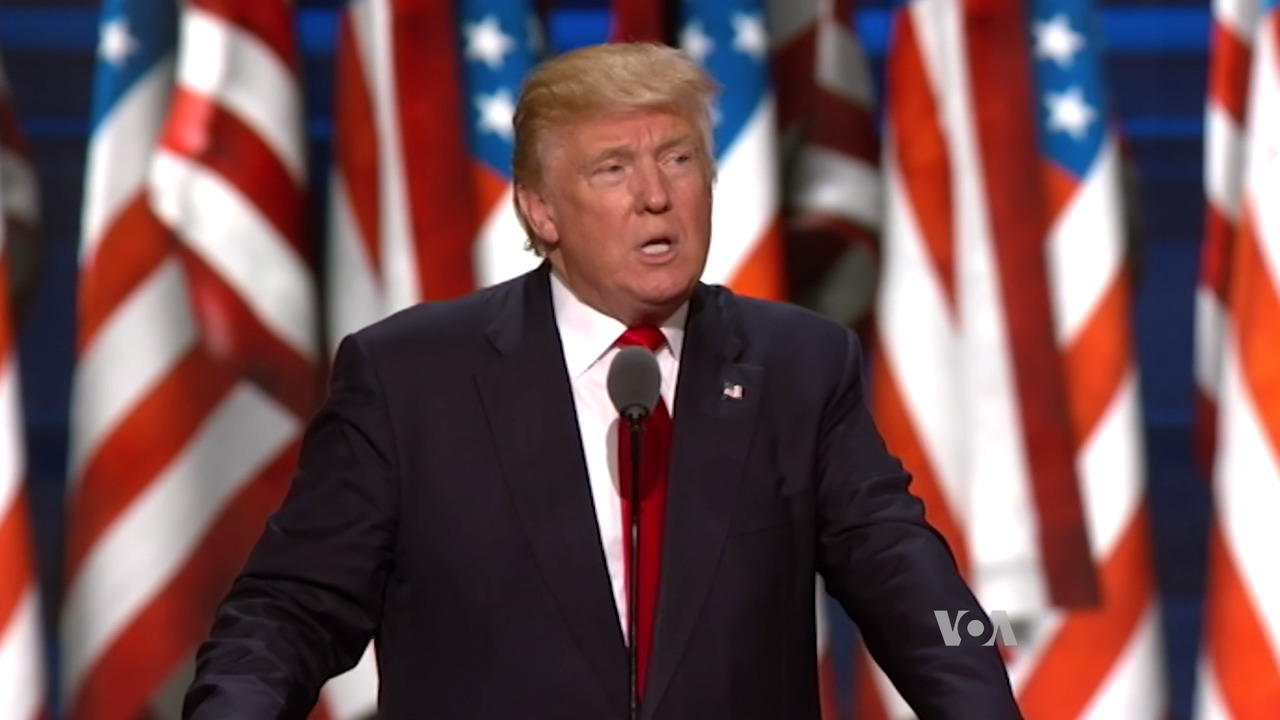

Recently, U.S. President Donald Trump threatened yet another government shutdown if Congress did not provide more funding to build the Mexican border wall. “That wall has started,” said Trump as a campaign rally in Washington, Michigan. “We have 1.6 billion (dollars).” According to an article from Reuters, Trump signed a $1.3 trillion spending bill in May to keep the government funded through the end of September. Notably, November mid-elections will make this decision an unpopular one to get supported by fellow Republicans, keen on maintaining control of the U.S. Congress.
- Also Read: Phased Retirement Program: Key Steps, Pension Impact, and Eligibility Rules
- Also Read: Survivor Benefits Comparison: Federal, USPS, and Military Eligibility Rules
- Also Read: Case Study: TSP Loans—Eligibility, Repayment, and Retirement Impact Explained
This comes just on the heels of an unpopular move by Trump to freeze the pay of federal employees for 2019, which may just be the start of a broader revamp of the entire federal workforce system. This has raised questions as to the wisdom of Trump’s financial priorities, as federal institutions are already experiencing intense workforce shortages and increasing desperation to keep an aging workforce active and engaged.
Another increasing challenge that the federal workforce faces is increasingly negative public sentiment towards the government as a whole with ‘draining the swamp’ rhetoric making the federal workforce seem like a bad bet.
Altogether, it seems that the outlook may be grim for federal employees- especially if the Republican Party decides to take the action of a government shutdown. However, there is also the possibility that Trump is losing support and the wall may never happen, which could be an entirely different, potentially disastrous situation.