Key Takeaways:
-
Understanding how the new PSHB system impacts your retirement is crucial to making informed decisions about healthcare coverage and financial security.
-
Properly planning your benefits, Medicare enrollment, and financial stability will help ensure a smooth transition into retirement.
Start Planning Early: Retirement Under the New PSHB System Requires Preparation
- Also Read: Divorce and Your Federal Pension—What Happens When You Split Assets and How It Could Affect Your TSP
- Also Read: What Happens to Your Federal Benefits After Divorce? Here’s the Lowdown
- Also Read: The Best FEHB Plans for 2025: Which One Fits Your Lifestyle and Budget the Best?
1. Understand the New PSHB System and Its Impact on Retirees
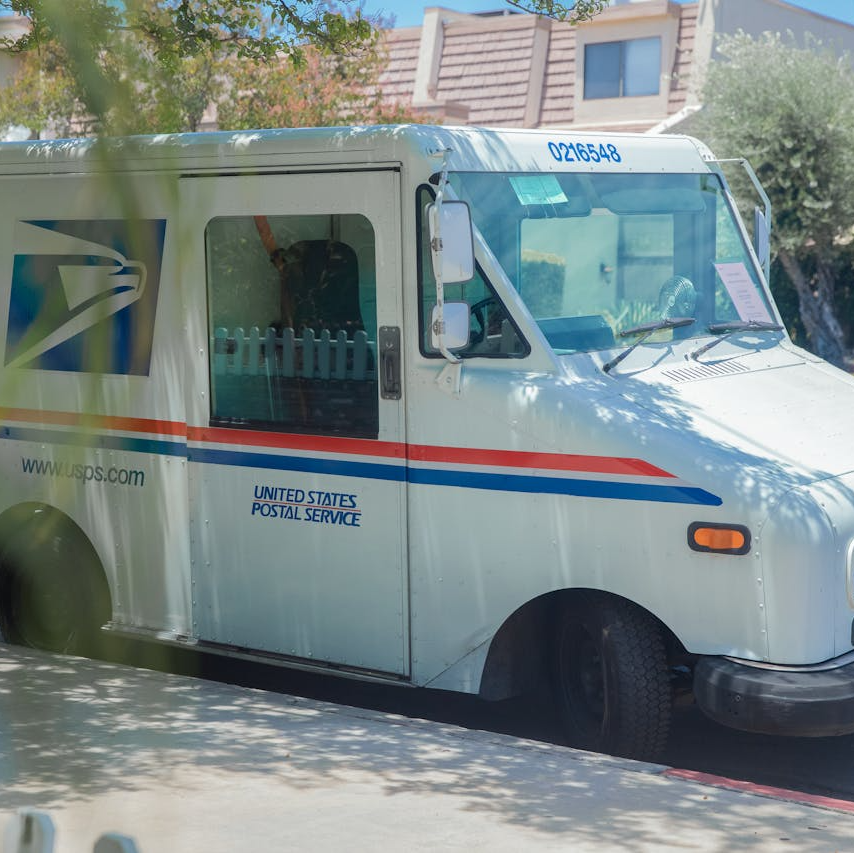
The PSHB program officially replaces FEHB for postal workers in 2025. One of the most significant changes is that Medicare-eligible retirees must enroll in Medicare Part B to maintain PSHB coverage. This requirement may affect your healthcare costs and benefits in retirement.
What You Need to Know:
-
PSHB plans are separate from FEHB but will offer similar benefits.
-
If you retire before age 65, you can continue PSHB coverage without Medicare until you become eligible.
-
Retirees already enrolled in Medicare Part B before 2025 can transition smoothly into PSHB.
-
Premiums and out-of-pocket costs vary based on the specific PSHB plan you select.
If you’re unsure about how these changes impact you, review the official PSHB materials or speak with a benefits specialist to clarify your options.
2. Determine Your Medicare Enrollment Timeline
For postal workers retiring at age 65 or later, enrolling in Medicare Part B is now a requirement under the PSHB system. Missing deadlines could result in penalties and delayed coverage.
Key Enrollment Periods:
-
Initial Enrollment Period (IEP): A 7-month window surrounding your 65th birthday (3 months before, the month of, and 3 months after).
-
Special Enrollment Period (SEP): If you delay Medicare due to active employment, you have 8 months after retiring to enroll in Part B without penalty.
-
General Enrollment Period (GEP): Runs from January 1 to March 31 each year, with coverage beginning in July (late penalties may apply).
If you are retiring close to or after 65, it’s crucial to coordinate your PSHB and Medicare enrollment to avoid coverage gaps.
3. Assess Your Financial Readiness for Retirement
Beyond healthcare, financial preparedness is a major factor in your retirement plans. As a FERS employee, your retirement income typically consists of three parts:
-
FERS Annuity: Based on your high-3 average salary and years of service.
-
Social Security: Available starting at age 62, but delaying increases your monthly benefit.
-
Thrift Savings Plan (TSP): Your personal retirement savings, with withdrawal rules to consider.
What to Review Before Retiring:
-
Calculate your estimated monthly income from FERS, Social Security, and TSP.
-
Assess healthcare costs under PSHB and Medicare.
-
Plan for inflation and potential long-term care expenses.
-
Consider working with a financial planner to optimize your retirement budget.
4. Review Your Federal Employee Group Life Insurance (FEGLI) Options
If you carry FEGLI coverage into retirement, your options and costs change significantly. FEGLI premiums increase with age, so it’s important to determine whether maintaining coverage is cost-effective.
FEGLI Considerations for Retirees:
-
You can choose to keep full coverage, reduce benefits, or opt out entirely.
-
Premiums rise substantially at age 65 and beyond.
-
Alternative life insurance policies may offer more affordable options.
Check your FEGLI benefit statement and decide if it aligns with your retirement needs.
5. Plan for Federal Employees Dental and Vision Insurance Program (FEDVIP) Coverage
Unlike PSHB, dental and vision benefits under FEDVIP remain unchanged for postal retirees. You can continue FEDVIP coverage into retirement, but you must ensure you enroll during Open Season or a qualifying life event.
What You Need to Do:
-
Verify whether your current FEDVIP plan meets your needs in retirement.
-
Enroll or make changes during Open Season if necessary.
-
Budget for dental and vision care alongside other healthcare expenses.
6. Confirm Your Retirement Date and Submit Paperwork on Time
Timing your retirement strategically can maximize your annuity and benefits. It’s important to coordinate your retirement date with your financial goals and ensure all paperwork is submitted accurately.
Retirement Application Checklist:
-
Submit your Application for Immediate Retirement (SF-3107) 2-3 months before your planned retirement date.
-
Coordinate with HR and OPM to ensure a smooth transition.
-
Verify your annuity estimate and expected benefits before finalizing your retirement.
Retirement processing can take months, so submitting paperwork on time prevents delays in receiving your annuity and benefits.
7. Understand Survivor Benefits and Estate Planning
If you have a spouse or dependents, planning for survivor benefits is a crucial part of retirement preparation. Your choices now will impact your family’s financial security in the future.
Survivor Benefit Considerations:
-
FERS Survivor Annuity: You can elect a 50% or 25% survivor annuity for your spouse, which reduces your monthly pension.
-
TSP Beneficiary Designation: Ensure your spouse or other beneficiaries are correctly listed.
-
Life Insurance & Wills: Update your will and life insurance policies to reflect your current wishes.
Taking these steps ensures your loved ones are financially protected after you pass.
Secure Your Retirement Under the New PSHB System
Retiring as a postal worker in 2025 comes with significant changes, especially regarding healthcare. The transition from FEHB to PSHB means new Medicare enrollment requirements, potential shifts in premiums, and the need for thorough financial planning. By understanding these changes and preparing accordingly, you can avoid costly surprises and enjoy a more secure retirement.
For personalized guidance on navigating your retirement benefits, get in touch with a licensed agent listed on this website to ensure you make informed decisions tailored to your situation.