
Key Takeaways
- Keep Your Smile and Sight Covered: FEDVIP offers dental and vision coverage options to federal employees and retirees, helping manage critical healthcare needs.
- Retirement Doesn’t Mean Less Coverage: FEDVIP coverage can continue into retirement, so planning your coverage strategy early can help ensure seamless benefits.
FEDVIP: What Does It Mean for Your Retirement?
- Also Read: Postponed vs Deferred Retirement: Key Differences and Federal Employee Eligibility
- Also Read: 7 Key Pros and Cons of Military Buyback for Federal Retirement Planning
- Also Read: Reduction in Force (RIF) and Benefit Impacts: What Federal Employees Should Know
What Is FEDVIP and Why Is It Important?
FEDVIP is designed specifically for federal employees, retirees, and their families, providing access to dental and vision plans that go beyond what traditional health insurance covers. Through FEDVIP, eligible participants can select plans for dental and vision care that they may rely on more often as they age. While health plans cover basic eye and dental exams, FEDVIP expands on these, covering more in-depth services such as specialized dental procedures, orthodontics, and vision correction surgeries.
Expanding on FEHB
One of the big perks of being a federal employee is access to the Federal Employees Health Benefits (FEHB) Program, which provides medical insurance. However, FEHB plans don’t typically include full dental and vision coverage. That’s where FEDVIP comes in as a complement to FEHB. While you may choose FEHB to cover your major health needs, FEDVIP can give you the additional coverage to help you keep up with eye exams, preventive dental care, and more.
Who’s Eligible for FEDVIP?
FEDVIP eligibility extends to a wide range of federal employees, retirees, and certain family members. Here’s a quick look:
- Federal employees: Those currently employed in a position that provides eligibility for FEHB.
- Retirees: Those who were enrolled in or covered by an FEHB plan at retirement and are now eligible for FEDVIP.
- Family members: Eligible family members include spouses and children under certain age limits.
Once you’re enrolled, your FEDVIP coverage remains as long as you keep paying the premiums, so you don’t have to worry about losing coverage just because you retire.
Understanding FEDVIP Coverage Options
Both dental and vision insurance are available under FEDVIP, and you can choose to enroll in one, both, or neither depending on your needs. Let’s break down the types of coverage you can expect from each.
Dental Coverage
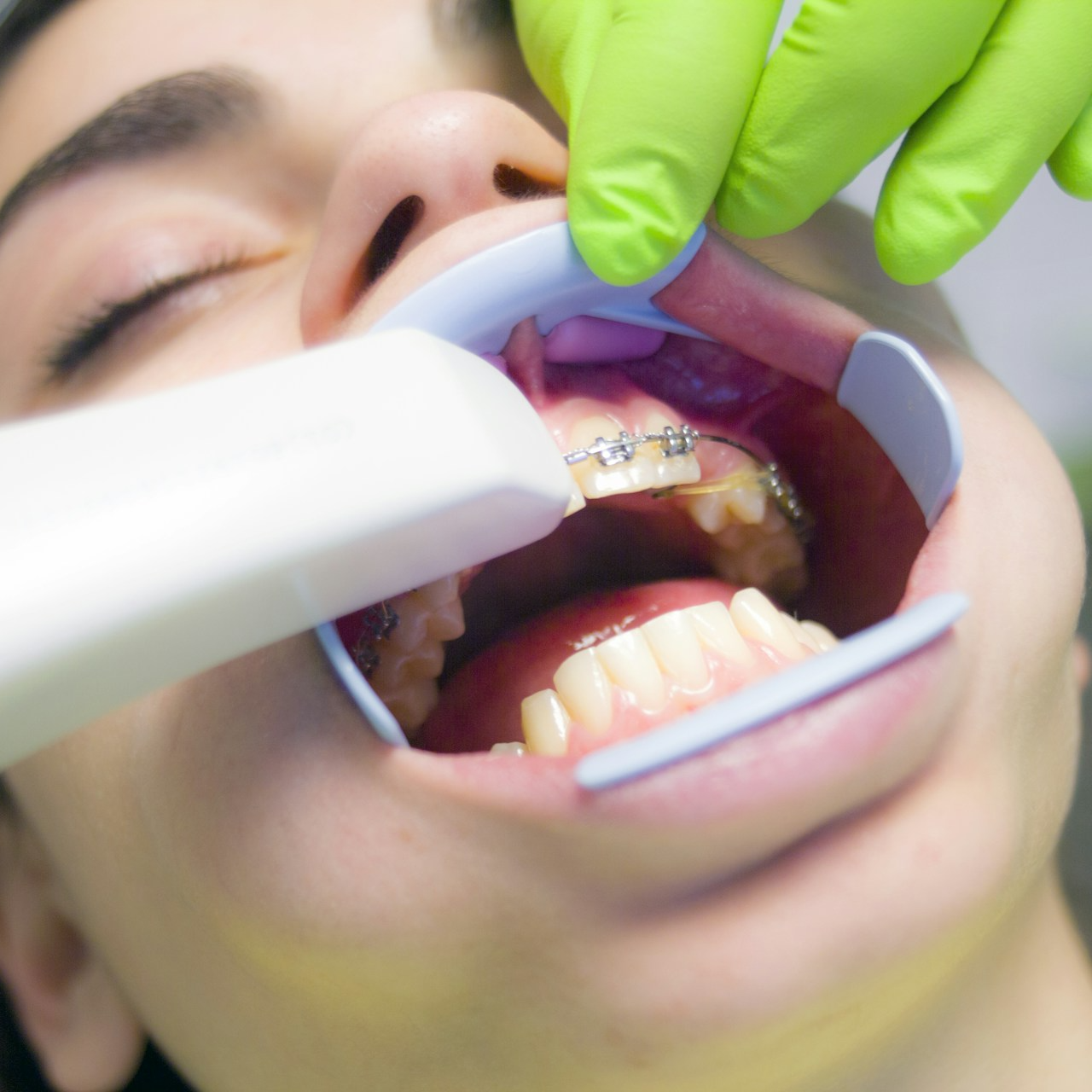
FEDVIP dental plans cover a wide range of services, from basic exams and cleanings to more advanced procedures like root canals, crowns, and even braces for adults and children. For retirees, regular dental care is crucial, as it can prevent more significant health issues that often accompany aging. FEDVIP dental plans generally include:
- Preventive care: Basic exams, cleanings, and X-rays
- Basic services: Fillings and root canals
- Major services: Crowns, dentures, and sometimes implants
- Orthodontia: Available for adults and children, depending on the plan
Vision Coverage
FEDVIP vision plans provide a range of eye care services that go beyond basic vision exams. Vision coverage under FEDVIP can include:
- Routine eye exams: These are covered more frequently than in general health insurance, helping you keep track of any changes in vision as you age.
- Eyeglasses and contact lenses: Subsidies or discounts are usually provided on frames, lenses, and contacts.
- Laser eye surgery: Many plans offer coverage for corrective laser eye surgery, like LASIK, which can be especially beneficial as eyesight declines with age.
Enrollment Periods: When Can You Sign Up for FEDVIP?
There are specific times when you can sign up for or make changes to your FEDVIP coverage:
- Open Season: Each year, federal employees and retirees have the chance to enroll in or modify their FEDVIP coverage during the federal benefits Open Season, which typically runs from mid-November to mid-December.
- Qualifying Life Events (QLEs): Certain events, like marriage or the birth of a child, may also allow you to enroll in or make changes to your FEDVIP coverage outside of Open Season.
Once enrolled, retirees’ coverage continues automatically each year, as long as premiums are paid, so there’s no need to re-enroll annually.
Costs and Premiums: What to Consider
FEDVIP premiums are generally paid monthly, and while they may fluctuate slightly, they provide a reliable way to plan for your retirement budget. For federal employees, premiums are paid via payroll deductions, while retirees’ premiums are paid monthly, often deducted directly from their annuity payments. It’s important to factor in these premiums when planning your retirement finances.
While specific plan costs and benefits vary, here are some general factors to consider:
- Personal Needs: Think about the care you’re likely to need. Some may find comprehensive dental and vision coverage essential, while others might only need one.
- Annual Premium Costs: Budgeting for monthly premium costs can ensure you’re not caught off guard. Many retirees find it helpful to choose plans with predictable premiums to manage their retirement budget.
- Out-of-Pocket Maximums: Some plans come with out-of-pocket caps, which can protect you from high costs if unexpected dental or vision needs arise.
FEDVIP in Retirement: What Happens When You Stop Working?
Good news—your FEDVIP coverage can carry into retirement without interruptions, as long as you’re already enrolled and keep paying premiums. For those who retire, your premiums will no longer come out of your paycheck; instead, they’ll be taken from your retirement annuity, ensuring continuity in coverage. This means you don’t have to scramble to find new coverage or worry about losing access to your trusted providers and services.
Continuing Coverage for Spouses
If you’re enrolled in FEDVIP and pass away after retirement, your spouse and eligible family members may be able to continue their coverage. If you’re considering the best plan for both of you, it may be worth weighing the options that would allow your spouse to maintain coverage if they rely on FEDVIP services.
Making the Most of FEDVIP
Once you have a plan, taking full advantage of FEDVIP’s preventive care benefits can save you money over time and help you stay healthy. Regular dental exams and vision checkups not only preserve your eyesight and smile but also help detect health issues early. Planning these routine visits can help you maintain your quality of life throughout your retirement.
Ready for Retirement, and Coverage That Sticks
Planning for retirement as a federal worker involves more than just sorting out finances; it includes preparing for comprehensive healthcare coverage that meets your needs as they evolve. With FEDVIP, you have access to dental and vision benefits that complement your existing health insurance, allowing you to enjoy retirement with confidence in your coverage. Ensuring continuity in dental and vision care will help you maintain a healthy lifestyle and avoid potentially high out-of-pocket costs.