Key Takeaways:
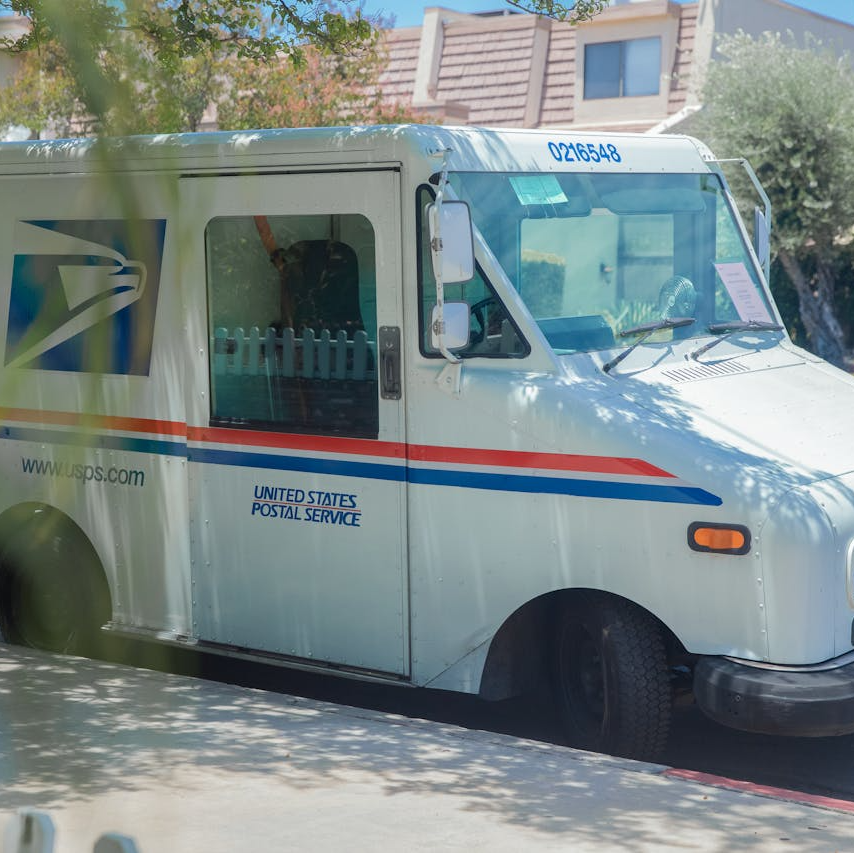
- The Postal Service Health Benefits (PSHB) Program is designed to tailor healthcare benefits specifically for USPS employees and retirees, marking a shift from the broader FEHB system.
- With integration into Medicare for some, PSHB reshapes retirement healthcare planning by offering a variety of plan options to meet individual needs.
A New Era of Benefits for USPS Workers
If you’re a USPS employee or retiree, you’ve probably heard about the Postal Service Health Benefits (PSHB) Program. This shift from the Federal Employees Health Benefits (FEHB) system is significant, and its rollout is already changing how you’ll plan for your healthcare in retirement. But what does this mean for you? Let’s break it down.
Why USPS Is Transitioning to PSHB
- Also Read: FEHB Overview: Comparing Coverage, Eligibility, and Retirement Support Trends
- Also Read: Postal Worker Survivor Benefits Overview: Myths vs Facts on Eligibility
- Also Read: Phased Retirement Program: Key Steps, Pension Impact, and Eligibility Rules
The PSHB Program was established under the Postal Service Reform Act of 2022 to create a healthcare benefits system tailored to USPS employees, retirees, and their families. While FEHB covered federal employees broadly, PSHB focuses solely on USPS participants.
This separation allows the Postal Service to streamline benefits, reduce long-term liabilities, and better integrate Medicare for retirees. For you, the program promises customized options that align more closely with USPS-specific needs.
How the Transition Works
Automatic Enrollment for Current FEHB Participants
If you’re already enrolled in an FEHB plan, there’s no need to panic. You’ll be automatically transitioned to a corresponding PSHB plan. This ensures continuity in coverage without requiring immediate action on your part.
However, Open Season (November 11 – December 9, 2024) offers an excellent opportunity for you to review and change plans if needed. The new coverage will take effect starting January 1, 2025.
Medicare Integration for Retirees
If you’re Medicare-eligible and retired after January 1, 2025, you’ll need to enroll in Medicare Part B to maintain PSHB coverage. This integration is designed to reduce overall costs for retirees while improving access to care.
If you retired before this date and are not enrolled in Part B, you’re exempt from this requirement, which might ease some concerns if you’re worried about new costs.
The Benefits of PSHB: What’s in It for You?
Tailored Coverage Options
PSHB is designed specifically for USPS employees, meaning you’ll have access to healthcare options that better address the unique needs of your community. Plans are expected to offer a range of benefits, from comprehensive medical care to dental and vision coverage.
Improved Cost Management
One of the biggest advantages of PSHB is its effort to control rising healthcare costs. By integrating Medicare for eligible retirees, PSHB aims to reduce out-of-pocket expenses. Additionally, the tailored approach could mean lower premiums for active employees and retirees, though this varies based on plan choice and individual circumstances.
Simpler Administration
PSHB simplifies the management of healthcare benefits for USPS employees and retirees. With a single, focused system, you’ll find it easier to navigate plan options and access resources tailored specifically to your needs.
What You Need to Do Now
Review Your Current Benefits
Take stock of your current FEHB coverage and compare it with PSHB options during Open Season. Pay close attention to the benefits offered, premium costs, and out-of-pocket limits to ensure you’re selecting the best plan for your needs.
Understand Medicare Enrollment Rules
If you’re nearing retirement or already retired, Medicare enrollment could play a significant role in your healthcare planning. For those required to enroll in Part B, ensure you meet deadlines to avoid penalties.
Use Available Resources
PSHB is a new program, and the USPS is providing tools to help you navigate the changes. Make use of plan comparison tools, FAQs, and any seminars or webinars offered to help you understand your options.
How PSHB Affects Retirees
A Focus on Long-Term Care
Retirement healthcare planning is about more than immediate needs—it’s also about preparing for the future. PSHB’s integration with Medicare ensures you’ll have a strong foundation of coverage as your healthcare needs evolve over time.
Flexibility for Retired Workers
If you retired before January 1, 2025, you’ll retain access to PSHB without needing to enroll in Medicare Part B. This flexibility is a welcome relief for many retirees who are already managing fixed incomes and long-term budgets.
Enhanced Coordination of Benefits
For retirees with Medicare, PSHB plans are designed to work seamlessly with Parts A and B. This coordination helps to reduce gaps in coverage and minimize out-of-pocket costs, giving you more predictable healthcare expenses.
Addressing Common Concerns
“Will My Plan Change Drastically?”
If you’re already satisfied with your FEHB coverage, you’ll likely find a comparable option under PSHB. However, plan details like deductibles and provider networks could vary slightly, so reviewing your options is crucial.
“What Happens If I Don’t Enroll in Medicare Part B?”
If you’re required to enroll in Part B and fail to do so, you risk losing your PSHB coverage. However, the USPS has implemented clear guidelines to ensure you’re informed well in advance of any requirements.
“How Will This Impact My Budget?”
While PSHB aims to offer cost savings, it’s essential to evaluate how premiums and out-of-pocket costs will align with your financial situation. Reviewing all plan options during Open Season will give you a clearer picture of what to expect.
Preparing for the Future with PSHB
This transition marks a significant change for USPS employees and retirees, but it’s also an opportunity. With tailored benefits, improved cost management, and streamlined administration, PSHB sets the stage for a more predictable and secure retirement.
By understanding how the program works and taking advantage of the resources available, you can ensure your healthcare needs are met both now and in the years to come.
Adapting to Healthcare Changes as a USPS Retiree
As a USPS retiree, navigating healthcare transitions can feel overwhelming. However, the PSHB Program’s focused approach provides an opportunity to tailor your coverage to your specific needs. By staying informed and proactive, you can make the most of these changes and feel confident in your retirement planning.