
Key Takeaways
- The timing of interfund transfers in federal retirement plans can affect your account growth and long-term security.
- Understanding common transfer patterns and planning considerations empowers you to make informed retirement decisions.
Making decisions about your federal retirement plan is a big step toward a secure future. One key factor to consider is when you choose to move money between investment funds
- Also Read: Postal Worker Survivor Benefits Overview: Myths vs Facts on Eligibility
- Also Read: Phased Retirement Program: Key Steps, Pension Impact, and Eligibility Rules
- Also Read: Survivor Benefits Comparison: Federal, USPS, and Military Eligibility Rules
What Is an Interfund Transfer?
Definition within federal retirement plans
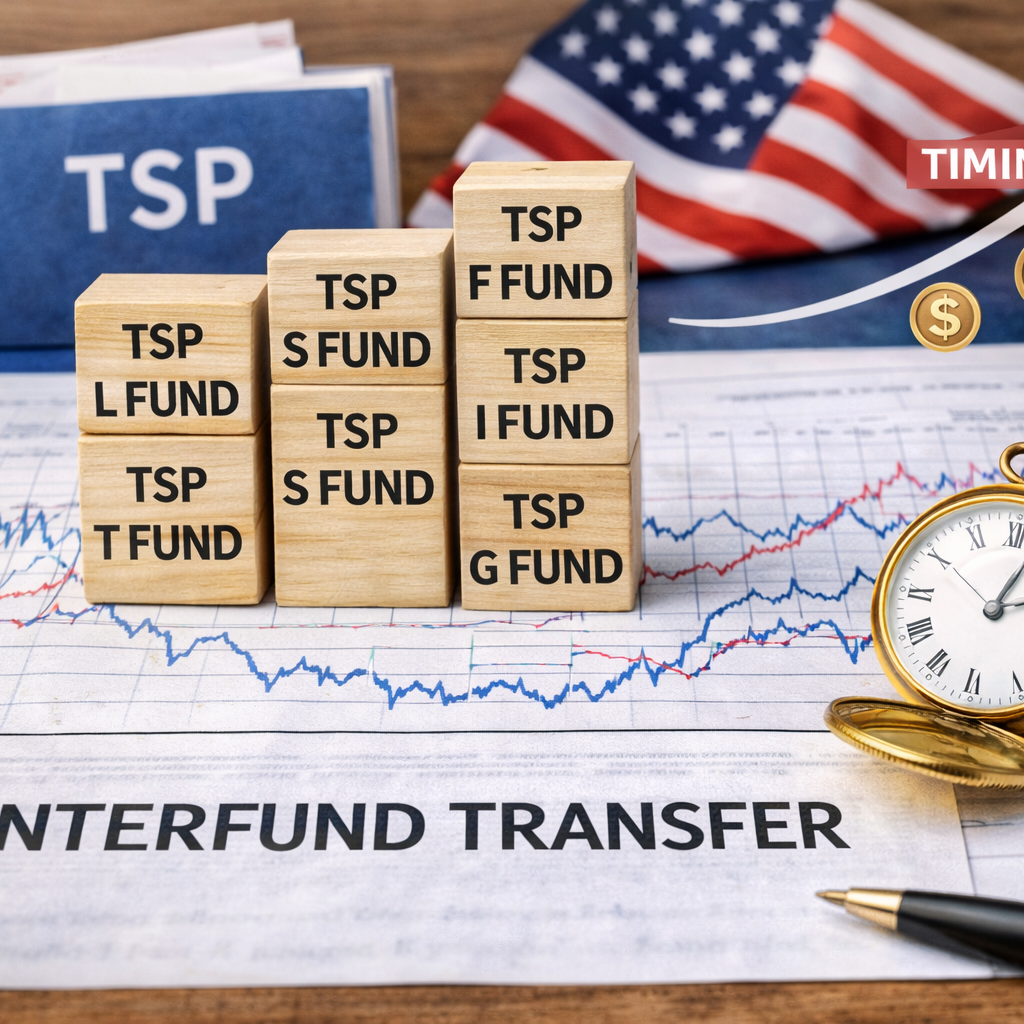
An interfund transfer lets you move money you already have inside your federal retirement account between different available investment options. For many federal employees and retirees, this means shifting balances among funds designed to offer various levels of risk and reward. Unlike making new contributions, interfund transfers adjust how your current savings are allocated without adding new money to the plan.
How interfund transfers work
These transfers are initiated directly within your retirement plan’s online system or via paper forms. You choose the percentage of your existing account to move from one fund to another. Typically, these changes settle within a few business days. Keep in mind, interfund transfers affect only the money already in your account and apply to future account performance until you adjust your allocation again.
Why Does Transfer Timing Matter?
Effect on account balances
When you move money between funds, the timing can impact your account’s value. Making a transfer during a market upswing might mean you capture recent gains, while transferring during a downturn could lock in losses. Because markets can be unpredictable, frequent transfers based solely on short-term movements generally do not guarantee better outcomes and can even reduce potential long-term growth.
Potential influence on long-term goals
Your retirement plan is meant to grow over time. Jumping in and out of funds based on guesswork or market news can disrupt your overall investment strategy. The key is to align transfers with your broader financial goals and risk tolerance, not just day-to-day headlines. By considering the bigger picture, you help put your retirement savings on a steadier path.
Common Interfund Transfer Timing Trends
Patterns among federal employees
Many federal employees make interfund transfers at predictable times. Some adjust their accounts annually, often at the start of the year or following major personal milestones, such as approaching retirement age. Others might shift funds during periods of economic uncertainty or after significant market movements, hoping to minimize losses or chase gains.
Typical reasons for timing decisions
Common motivations include responses to market volatility, wanting to rebalance after periods of growth, or simply reacting to news about the economy. While these motivations are understandable, it’s important to realize that emotional or reactive timing can sometimes undermine longer-term retirement goals. Analysis of patterns shows that steady, planned approaches often yield more consistent results than frequent, reactionary transfers.
How Does Timing Affect Retirement Security?
Risks of poor timing
One of the biggest risks with frequent or poorly timed interfund transfers is missing periods of market recovery or growth. For example, moving your account out of investment funds during a downturn and waiting too long to reinvest can prevent you from benefiting once the market rebounds. This can have a lasting negative impact on your total retirement savings.
Letting short-term market fears drive your timing may increase your risk instead of reducing it. Long-term retirement security is often grounded in consistency and patience rather than rapid changes.
Examples of timing’s long-term effects
Consider two hypothetical retirement savers: One moves funds frequently in response to each market shift, while the other follows a steady, planned allocation with only occasional rebalancing. Over the years, the steady planner tends to experience less stress and more consistent account growth. The frequent mover, on the other hand, may find their account balance falling behind due to moved-out gains or locked-in losses.
This doesn’t mean you should never make interfund transfers. Instead, making changes with a clear plan – rather than just reacting – typically supports stronger retirement outcomes.
What Should You Think About Before Transferring?
Educational planning considerations
Before making an interfund transfer, ask yourself a few key questions:
- Does this transfer fit your overall retirement goals and risk tolerance?
- Are you acting based on a short-term market event, or does the change support your long-term plan?
- Have you reviewed your account performance and considered how possible transfers could affect your projected retirement?
- Would waiting or making a smaller adjustment serve your needs just as well?
Building a regular review of your retirement plan – rather than switching based on the latest news – helps you stay confident and informed.
Resources for learning more
Many federal retirement plans offer access to educational tools, online trainings, and informative articles. If you want more information, visit your plan’s website or contact their participant education team. Consider attending retirement webinars or reviewing neutral financial planning guides. Knowledge is empowering, and taking advantage of educational materials can help you make more informed transfer decisions.