
Key Takeaways
- The PSHB program introduces changes to dependent eligibility and coverage for federal employees and retirees.
- Understanding the new rules and communicating early will help families navigate the transition smoothly.
- Also Read: Best FEHB Plan Guidance: How to Compare Federal Employee Health Options
- Also Read: Military Deposit Application Forms Walkthrough: Comparing Steps and Alternatives
- Also Read: How-to Use Income Guardrails for Federal Retirees: Strategies and Comparisons
What Is PSHB in Federal Benefits?
Overview of PSHB
The Postal Service Health Benefits (PSHB) Program is a new healthcare plan designed specifically for eligible United States Postal Service (USPS) employees, retirees, and their dependents. PSHB is set to replace the current FEHB coverage for these groups, starting in 2025, as part of an effort to streamline benefits for postal workers while aligning with federal healthcare standards.
Purpose in Federal Healthcare
PSHB’s main goal is to tailor health coverage to the unique needs of postal employees and their families. This move seeks to address rising healthcare costs, ensure quality coverage, and comply with recent changes in federal law. By establishing a separate risk pool and plan selection for USPS, the government aims to provide more sustainable, effective benefits while maintaining a connection to the broader FEHB program for other federal workers.
How Does PSHB Differ from FEHB?
Plan Structure Differences
The primary distinction between PSHB and FEHB lies in their structure. While FEHB remains the primary health benefits program for most federal employees and retirees, PSHB is exclusively for USPS-connected members. PSHB mirrors much of FEHB’s approach—such as a wide selection of plan providers—but its pools, rules, and eligibility are USPS-specific. So if your family is used to the choices under FEHB, expect similar options but within the new PSHB framework if you’re linked to USPS employment or retirement.
Administration and Coverage Changes
PSHB’s administration is coordinated between the Office of Personnel Management (OPM) and USPS, unlike FEHB, which covers a broader federal landscape. For dependents, this change means that plan administration, claims, and customer service will be managed specifically for postal families. Coverage offerings will remain comparable in many respects, but certain policies—such as coordination with Medicare for retirees—may look different. It’s important you review plan options carefully during open enrollment to ensure your dependents continue with suitable healthcare coverage.
Who Qualifies as a Dependent?
Common Dependent Categories
Both FEHB and the upcoming PSHB program define dependents in a similar way. Typically, eligible dependents include:
- Your spouse (by marriage, including valid common law unions)
- Children under age 26 (biological, adopted, stepchildren, or foster children living with you)
- Children of any age who are disabled and became so before turning 26
These rules are designed to provide families with broad but clear guidelines for who can be covered under your benefit plan.
What Has Changed under PSHB?
The PSHB program carries forward these main dependent categories, but with added attention to verification and documentation. For instance, you may need to submit new proof of relationship or dependency status when transitioning from FEHB to PSHB. The definition of “qualifying child” remains mostly unchanged, but expect your documentation to be reviewed more strictly during the switchover. Also, if your family includes adult disabled children or other less-common dependent categories, you should pay close attention to new guidance for continued coverage under PSHB.
How Are Dependents’ Benefits Changing?
Eligibility Adjustments Explained
The transition to PSHB will not close the door to coverage for most current dependents. Children under 26, spouses, and disabled adult children (who were eligible under FEHB) will almost always continue as eligible under PSHB. However, there’s greater emphasis on documentation and periodic verification. If your dependent turns 26 in 2026 or after, benefits will end similar to FEHB, unless that dependent is already certified as disabled and incapable of self-support.
Coverage Details for Dependents
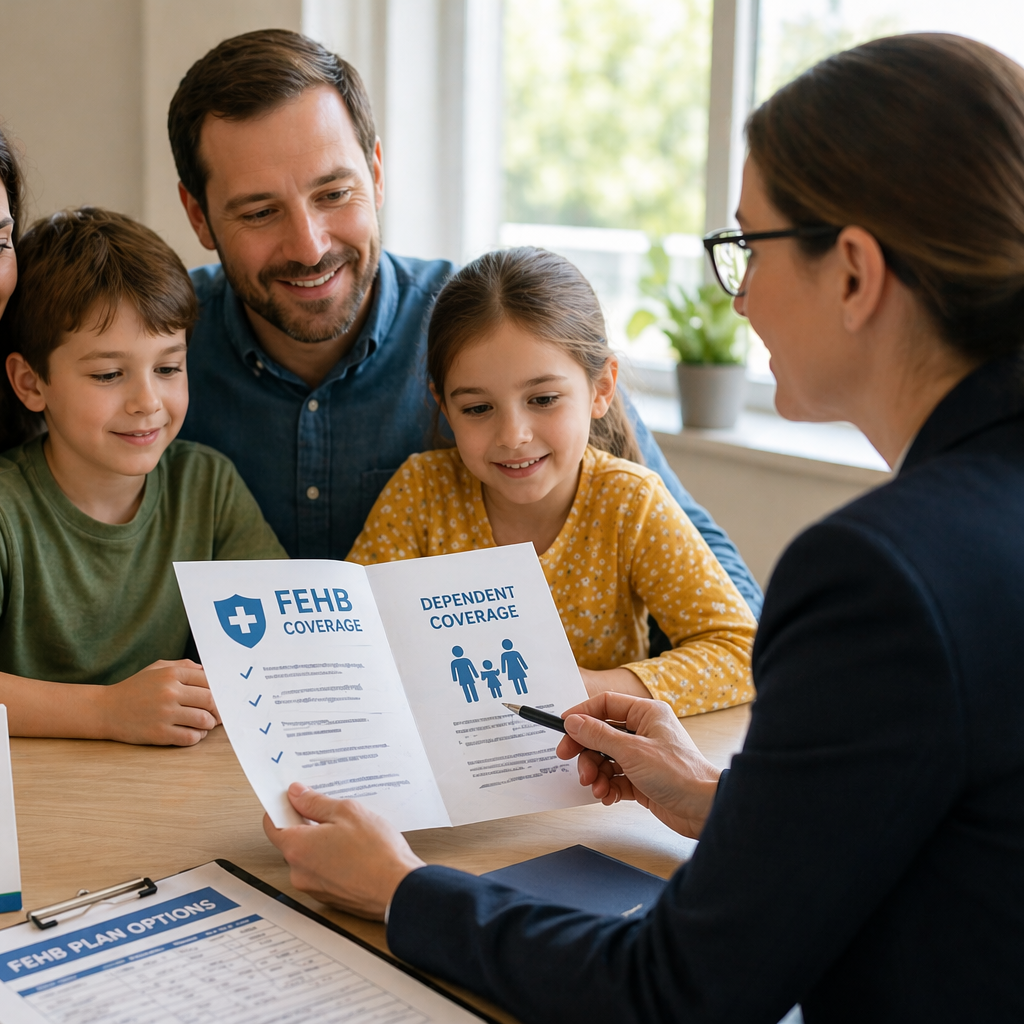
PSHB’s dependent coverage, in most cases, closely matches current FEHB standards. You’ll still select family or self-plus-one coverage, giving your eligible dependents access to the same broad network of providers. Retirees should watch for changes around Medicare coordination, as PSHB may have unique rules for those over 65. You’ll also want to double-check prescription coverage, wellness benefits, and out-of-network care, as each plan can set its own guidelines within OPM’s oversight. Staying alert during each open season will help ensure your dependents receive uninterrupted, comprehensive care.
What Should Affected Families Know?
Communication Tips for Families
It’s natural to feel anxious about changes, but proactive communication is key. Start by talking openly with your spouse, children, and any dependents about the upcoming transition. Share updates from OPM and USPS, and encourage questions from your family so you can clarify who remains eligible and what steps are required. Keep all official correspondence and plan selection materials in a safe, accessible place to double-check details as you prepare to elect new coverage.
Preparing for the Transition
Mark your calendar for key dates, such as open enrollment and any deadlines for submitting dependent documentation. If you have an adult child with a disability, work with your doctor or case manager to gather any necessary proof of eligibility before the transition window. Seek help from your agency’s benefits office or the OPM website to answer unique situations. Using checklists and maintaining contact with your benefits advisor will help you avoid unexpected gaps in coverage or paperwork issues.