
Key Takeaways
-
Delaying Medicare Part B can result in lifelong late enrollment penalties, restricted access to comprehensive healthcare, and forfeiture of key coordination benefits with federal retiree health coverage.
-
If you’re a government employee considering postponing Part B, understanding enrollment timelines and how your FEHB or PSHB coverage works with Medicare is critical to protecting your retirement healthcare strategy.
The Allure of Skipping Part B—And Why It Backfires
- Also Read: Divorce and Your Federal Pension—What Happens When You Split Assets and How It Could Affect Your TSP
- Also Read: What Happens to Your Federal Benefits After Divorce? Here’s the Lowdown
- Also Read: The Best FEHB Plans for 2025: Which One Fits Your Lifestyle and Budget the Best?
However, skipping Part B isn’t just about saving money. It’s a decision with consequences that can reverberate through the rest of your retirement.
Medicare Enrollment Rules You Cannot Afford to Ignore
When you turn 65, you’re eligible to enroll in Medicare. For most people, the Initial Enrollment Period (IEP) is the first window. It begins three months before the month you turn 65 and ends three months after.
If you don’t enroll in Part B during this time—and you’re not actively employed or covered by employer insurance—you risk penalties and limited enrollment opportunities. FEHB and PSHB count as employer coverage only while you or your spouse are actively working. Once you retire, these plans no longer exempt you from penalties.
The General Enrollment Period (GEP) Trap
If you miss your IEP and aren’t covered by active employment, your next chance to enroll is during the General Enrollment Period, which runs from January 1 to March 31 each year. But coverage doesn’t begin until July 1. That means you could face several months with no Medicare Part B coverage—and potentially, no primary coverage at all.
On top of that, you’ll owe a 10% penalty for every 12-month period you delayed enrollment without valid coverage. This penalty applies for life.
Why Public Sector Retirees Need to Rethink Part B
As a government retiree, you likely rely on either FEHB or PSHB to cover your healthcare. These programs are robust—but without Medicare Part B, you could face:
-
Higher cost sharing: FEHB/PSHB becomes your primary insurer if you don’t have Medicare. That usually means you’ll be responsible for higher copays, deductibles, and coinsurance.
-
Loss of coordination benefits: Many PSHB plans in 2025 offer additional benefits like Part B premium reimbursements or reduced out-of-pocket costs if you enroll in Medicare. Without Part B, you forfeit these perks.
-
Coverage limitations: Certain services are only covered—or are covered more generously—when Medicare is your primary.
How PSHB Changes the Game in 2025
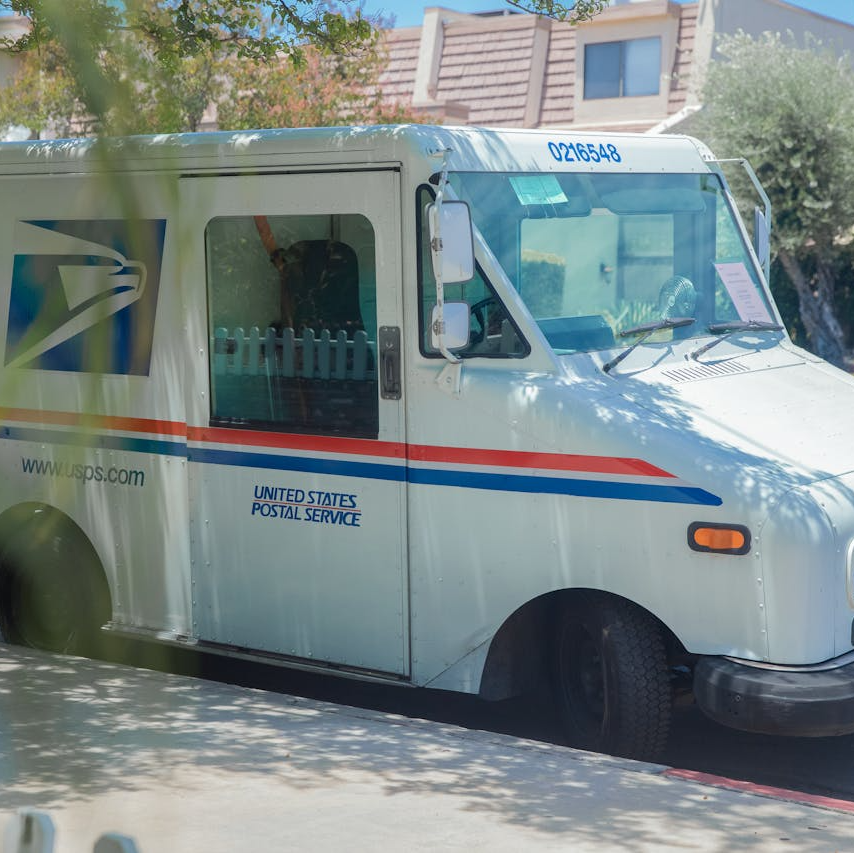
As of 2025, the Postal Service Health Benefits (PSHB) Program replaces FEHB for postal workers and annuitants. And with it comes a major requirement:
If you’re a Medicare-eligible annuitant or family member, you must enroll in Medicare Part B to keep your PSHB coverage—unless you’re exempt due to age or retirement date.
Who’s Exempt in 2025?
You can skip Part B without losing PSHB eligibility only if:
-
You retired on or before January 1, 2025.
-
You were age 64 or older as of January 1, 2025.
-
You live outside the U.S.
-
You’re enrolled in Indian Health Services or the VA system.
Everyone else? No Part B means no PSHB.
Coordinating FEHB with Medicare Part B
For federal retirees who remain in the broader FEHB system (non-postal), there’s no mandatory Part B enrollment. But that doesn’t mean it’s optional without consequence.
Here’s how it usually works if you have both FEHB and Medicare Part B:
-
Medicare pays first for most services.
-
FEHB pays second, often covering what Medicare doesn’t.
This coordination can leave you with little to no out-of-pocket cost for many services, especially hospital and outpatient care.
Without Part B:
-
FEHB pays as primary.
-
You pay more for outpatient services.
-
You may lack access to the Medicare network for certain specialists or facilities.
Late Enrollment Penalties: How Much Could They Really Cost You?
Let’s break it down. The standard monthly Part B premium in 2025 is $185. If you delay enrollment by 24 months without employer coverage, your penalty would be 20% of the standard premium—for life.
-
That’s an extra $37/month in 2025, totaling $222/month.
-
Over a 20-year retirement, that penalty alone could cost you nearly $9,000 more than if you had enrolled on time.
And remember, that penalty increases every year as the base premium goes up.
Special Enrollment Periods—Only If You Qualify
Some retirees delay Part B because they think they’ll qualify for a Special Enrollment Period (SEP) later. But you only qualify for an SEP if you (or your spouse) were actively working and covered by employer insurance when you delayed.
Once you retire—even if you still have FEHB or PSHB—you generally lose SEP eligibility. That mistake forces you into the GEP and triggers penalties.
Thinking Long-Term: Why Part B Supports a Sustainable Retirement
Retirement planning is more than just managing income—it’s about protecting your healthcare access for the next 20–30 years. Medicare Part B supports that in several ways:
-
Predictable out-of-pocket costs: Medicare-approved providers and services help you avoid billing surprises.
-
Access to a broader provider network: Many providers only accept Medicare.
-
Protection against catastrophic costs: Part B coordinates with other coverage to reduce high bills.
-
More coverage choices: With Part B, you remain eligible for additional federal or supplemental health options.
Mistakes to Avoid When Deciding About Part B
-
Assuming FEHB or PSHB replaces Medicare: It doesn’t. These programs are designed to work with Medicare.
-
Missing your IEP window: Not understanding the timing can cause expensive delays.
-
Forgetting the coordination advantages: With both Medicare and FEHB/PSHB, your overall out-of-pocket burden is usually much lower.
-
Expecting a penalty exemption: The rules are strict and don’t favor assumptions. If you’re not working, you’re likely not exempt.
What If You’ve Already Delayed Part B?
If you’ve already missed your IEP and aren’t eligible for an SEP, your next option is the General Enrollment Period. While you’ll still face penalties, enrolling sooner is better than delaying further.
If you’re unsure about your eligibility, timeline, or whether you qualify for an exemption, it’s critical to speak to a licensed agent. They can help evaluate your specific situation under the current 2025 rules.
Protecting Your Retirement Health Strategy Starts With Part B
Delaying Medicare Part B often looks like a way to reduce monthly costs—but it frequently leads to higher long-term expenses, lost coverage benefits, and narrower access to care. Especially in 2025, when new rules under PSHB make enrollment mandatory for many, overlooking this step could jeopardize your entire healthcare setup in retirement.
If you’re close to 65 or newly retired, review your Medicare eligibility dates now. Don’t rely on assumptions or old advice. The system has changed.
Get in touch with a licensed agent listed on this website to get personalized help reviewing your Medicare Part B timeline, FEHB/PSHB coordination, and exemption qualifications.