
Key Takeaways
-
Once you turn 65, sticking solely with FEHB may cost you more and cover you less unless you understand how Medicare coordinates with your plan.
-
Enrolling in Medicare Part B can reduce your FEHB out-of-pocket costs, but timing is critical, and penalties can apply if you delay.
Why Age 65 Changes Everything for Your FEHB Coverage
Turning 65 marks a major shift in your federal health benefits. It’s not just about adding Medicare into the mix—it’s about rethinking whether your Federal Employees Health Benefits (FEHB) plan is still the most cost-effective, comprehensive option available.
- Also Read: Divorce and Your Federal Pension—What Happens When You Split Assets and How It Could Affect Your TSP
- Also Read: What Happens to Your Federal Benefits After Divorce? Here’s the Lowdown
- Also Read: The Best FEHB Plans for 2025: Which One Fits Your Lifestyle and Budget the Best?
Understanding the FEHB-Medicare Relationship
When you become eligible for Medicare at age 65, the way your FEHB plan pays for services changes depending on whether you enroll in Medicare Part A only, or both Part A and Part B:
-
Part A (Hospital Insurance): Most federal retirees enroll in this automatically since it generally has no premium. It becomes primary for inpatient hospital care.
-
Part B (Medical Insurance): This has a monthly premium, which leads many retirees to question whether it’s worth it. However, enrolling can significantly reduce your out-of-pocket costs under FEHB.
If you decline Part B, your FEHB plan becomes the primary payer for outpatient care. That can work—but it also means you’re responsible for higher deductibles and coinsurance.
FEHB Without Medicare Part B Can Be Costly
If you continue FEHB coverage alone without enrolling in Medicare Part B:
-
You could pay full copays, coinsurance, and deductibles set by your FEHB plan.
-
Your plan may not cover all expenses that Medicare typically does.
-
Some FEHB plans coordinate better benefits or offer incentives when paired with Part B, including reduced copayments or waived deductibles—benefits you miss if you skip Part B.
While avoiding the monthly Part B premium may seem like savings, the long-term math often doesn’t favor staying with FEHB alone.
Medicare Part B Late Enrollment Penalty: A Permanent Price
If you delay enrolling in Medicare Part B past your Initial Enrollment Period (IEP) at age 65, and you’re not covered by active employment (yours or a spouse’s), you’ll face a lifelong penalty:
-
The IEP starts three months before your 65th birthday, includes your birthday month, and extends three months after—seven months total.
-
Miss this window, and you may only enroll during the General Enrollment Period (January 1 – March 31), with coverage starting July 1 and a 10% penalty for every 12-month period you delayed.
This can add hundreds of dollars to your monthly Medicare cost for life, and it’s one of the most common—and preventable—mistakes federal retirees make.
What Happens If You Enroll in Both FEHB and Medicare
For retirees who enroll in both Medicare and retain FEHB coverage:
-
Medicare becomes the primary payer.
-
FEHB acts as the secondary payer, picking up most costs not paid by Medicare.
This coordination often results in:
-
Lower out-of-pocket costs overall
-
No requirement to use network providers (for plans that follow Medicare’s rules)
-
Reduced or eliminated deductibles and coinsurance
Some plans even offer partial reimbursement of your Medicare Part B premium, further enhancing your cost-efficiency.
Why Some Retirees Drop FEHB After 65
Though it’s not the most common decision, some retirees drop FEHB once they enroll in Medicare Parts A and B, opting for a Medicare Supplement plan (Medigap) or Medicare Advantage. They do this because:
-
Their healthcare needs are now more easily met through Medicare
-
Their out-of-pocket costs may be lower with other options
-
They no longer need comprehensive family coverage
But there’s a big caveat: if you drop FEHB, you generally can’t reenroll unless you qualify for a special enrollment event. That decision is usually irreversible.
Timing Is Everything: Plan Ahead Before 65
To avoid penalties and ensure you’re making informed financial decisions:
-
Start evaluating your options by age 64.
-
Compare how your current FEHB plan works with and without Medicare Part B.
-
Consider your healthcare usage, prescription needs, and expected out-of-pocket costs.
-
Calculate long-term costs: FEHB premiums + out-of-pocket costs vs. Medicare premiums + coordinated coverage savings.
Most importantly, look at the specific plan brochures that explain how they coordinate with Medicare—not all FEHB plans treat Medicare enrollees the same way.
The PSHB Twist for Postal Retirees
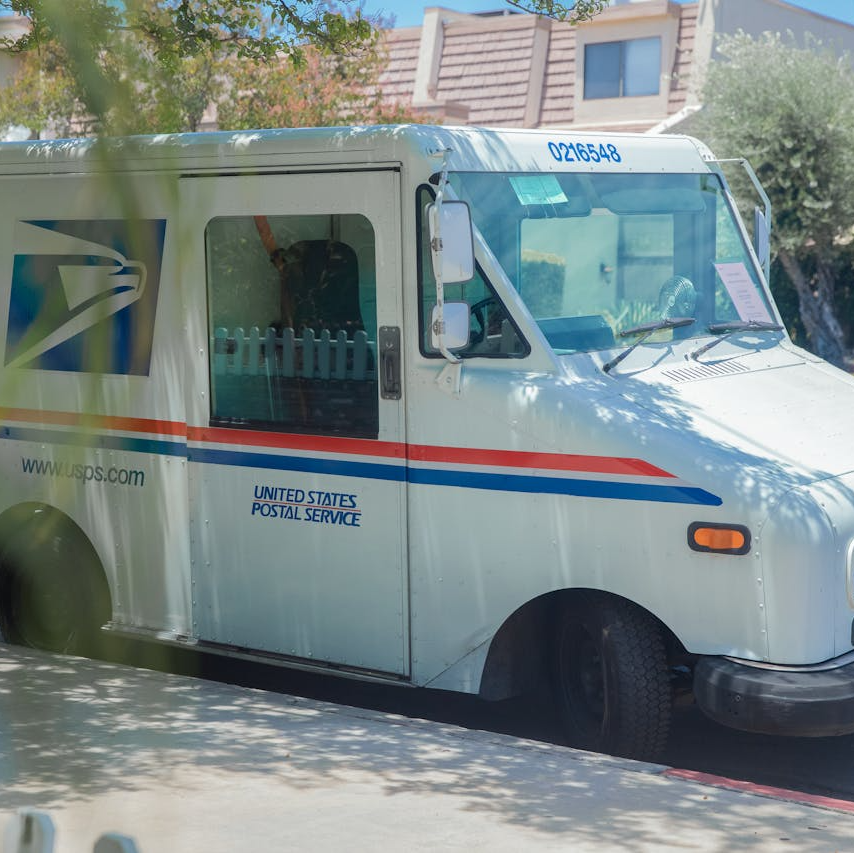
As of January 1, 2025, Postal Service retirees are enrolled in the new Postal Service Health Benefits (PSHB) program, replacing FEHB. If you’re eligible for Medicare and retired after that date, you must also enroll in Medicare Part B to maintain PSHB coverage.
This mandatory coordination underscores how important Medicare integration has become within government retiree health planning.
FEHB and Medicare: What Stays and What Changes at Age 65
What stays the same:
-
You can keep your FEHB plan for life as long as you pay the premiums.
-
You retain your choice of plans each year during Open Season.
What changes:
-
Medicare becomes primary for those who enroll.
-
Certain FEHB plans enhance benefits or reduce costs only if you have Medicare Part B.
-
Late enrollment in Part B can result in a penalty unless you have current employment-based coverage.
Understanding these transitions can help you plan proactively and avoid irreversible missteps.
Analyzing the Numbers: When FEHB Alone Might Still Work
While Medicare integration is typically beneficial, there are scenarios where sticking with FEHB alone might make sense:
-
You have high income and want to avoid the higher Part B premium due to Income-Related Monthly Adjustment Amounts (IRMAA).
-
You rarely use medical services and prefer simplicity.
-
Your FEHB plan offers strong standalone coverage even without Medicare.
Still, this decision should be based on a thorough financial and coverage analysis—not assumptions.
The Risk of Relying on FEHB Alone
You may be comfortable with your FEHB plan now, but that could change as you age:
-
More frequent doctor visits
-
Increased likelihood of hospital stays
-
Need for specialists and outpatient procedures
Without Medicare Part B, these services may cost significantly more than if you had coordinated coverage.
And remember: if you choose to delay Part B and later change your mind, the late enrollment penalty applies for life unless you qualify for a Special Enrollment Period due to active employment.
How to Make the Right Choice
You should evaluate:
-
Your current health
-
Your spouse’s health (if on your plan)
-
Prescription drug needs
-
Monthly and annual costs with FEHB only vs. FEHB + Medicare
Use resources like OPM plan comparison tools, Medicare.gov, and talk to a licensed professional to map out your best path forward.
Smart Health Coverage Starts with Smart Planning
The question isn’t whether FEHB is a bad option after 65—it’s whether it’s the only option you should rely on. In most cases, pairing FEHB with Medicare Part A and B leads to stronger, more affordable healthcare in retirement.
And for Postal retirees under PSHB, the choice isn’t optional: Medicare Part B is required unless you qualify for an exemption.
You deserve peace of mind and financial predictability in retirement. Get in touch with a licensed professional listed on this website to review your current benefits and understand your best options before your 65th birthday.