Key Takeaways
-
In 2025, FEHB premiums have increased significantly—by an average of 11.2%—with retirees bearing the brunt of this rise due to fixed incomes and fewer subsidies.
-
Without proper planning, higher premiums and healthcare inflation could substantially erode your retirement income, especially if you rely heavily on FEHB in retirement.
Why FEHB Premiums Are Rising Faster Than Inflation
- Also Read: Divorce and Your Federal Pension—What Happens When You Split Assets and How It Could Affect Your TSP
- Also Read: What Happens to Your Federal Benefits After Divorce? Here’s the Lowdown
- Also Read: The Best FEHB Plans for 2025: Which One Fits Your Lifestyle and Budget the Best?
Here are some of the main contributors to this trend:
-
Rising healthcare service costs: Providers are dealing with wage inflation, supply chain disruptions, and higher operating expenses, all of which get passed down to insurance plans.
-
Specialty drug spending: New therapies and biologics, while medically advanced, come at very high prices and are being prescribed more frequently.
-
Higher utilization rates: With a growing pool of older enrollees who need more frequent and complex care, the cost of delivering services across the board increases.
-
Post-pandemic corrections: Some of the temporary flexibilities and reduced-cost arrangements made during the COVID-19 years are being phased out, replaced by stricter plan terms and higher charges.
-
Administrative costs and regulatory compliance: Insurance plans are adjusting premiums to offset higher back-end costs related to oversight, audits, and digital modernization.
Combined, these elements are creating a perfect storm that is pushing FEHB premiums upward at a rate that retirees can’t ignore.
How Retirees Are Affected More Than Active Employees
While both active employees and retirees enroll in FEHB, the financial experience differs significantly. Active federal employees still receive about 70% of their premium subsidized by the government. Retirees, however, do not benefit from performance-based pay increases or government contributions tied to an annual salary.
In 2025, the financial stress is evident:
-
Greater premium responsibility: Depending on coverage level and plan choice, many retirees pay between $240 and $570 monthly—amounts that have risen more than COLA increases.
-
Fixed income pressures: Most retirees rely on FERS or CSRS annuities and Social Security, both of which have built-in inflation adjustments, but these adjustments often trail behind the real rise in healthcare spending.
-
Budget tightening: Every dollar spent on premiums is a dollar not available for housing, food, travel, or savings. This forces some retirees to make trade-offs they didn’t anticipate.
Unlike the working population, retirees don’t have the flexibility to increase their earnings to offset higher costs, making this shift particularly problematic.
Timeline: FEHB Premium Trends from 2018 to 2025
To fully appreciate how steep the current rate increases are, consider how FEHB premiums have evolved over the past eight years:
-
2018–2020: Annual premium increases hovered around 4% to 5%, considered manageable by most retirees.
-
2021–2022: Plans saw slightly higher increases, roughly 5.6%, due to pandemic-related expenses.
-
2023: Premiums increased by 7.2%, signaling a shift toward accelerated cost growth.
-
2024: The average increase climbed to 8.7%, with retirees particularly hard-hit due to less generous government support.
-
2025: The current year marks the highest hike yet—11.2% across all plans, with some retirees seeing their share rise by over 13.5%.
This extended pattern reveals a system in which annual adjustments are compounding the financial load. If trends continue at this pace, a retiree could be spending thousands more on healthcare within just a few years.
The Hidden Costs Beyond Monthly Premiums
Premiums represent just one part of your healthcare costs. Many retirees mistakenly assume that selecting a low-premium plan means they’re saving money overall. However, the total cost includes several other variables that deserve your attention in 2025:
-
Deductibles are growing: Annual deductibles in many FEHB plans now range from $350 to $500 for in-network care, and significantly more for out-of-network.
-
Out-of-pocket maximums are expanding: Caps have moved higher—to $7,500 for individual coverage and up to $15,000 for family coverage—meaning you could be responsible for a substantial amount if you have significant medical needs.
-
Increased coinsurance obligations: Many services now require coinsurance payments of 20–30% in-network and 40–50% out-of-network, compared to flat copays used in previous years.
-
Reduced plan generosity: Some plans are eliminating certain supplemental benefits or increasing the cost-sharing required to access them, such as physical therapy or specialty medications.
Over time, these hidden costs can add up to more than the premium itself. That’s why evaluating a plan based solely on the monthly cost can be misleading.
Medicare Coordination Could Help—But It’s Not Always Straightforward
If you’re Medicare-eligible, you may be weighing whether it’s worth it to enroll in Part B alongside your FEHB plan. The answer in 2025 depends on your health status, budget, and plan benefits.
-
Medicare Part B now costs $185 per month. If you add that to a mid-range FEHB premium, you could be spending $400–$800 monthly on premiums alone.
-
Some FEHB plans waive deductibles or copayments when Medicare is primary, potentially offsetting the added expense of Part B.
-
Others offer partial reimbursements—a helpful feature but not universally available.
-
Dual coordination isn’t seamless. Having two primary insurance systems means you’ll have to navigate claims from both Medicare and your FEHB provider, which can cause delays and confusion.
-
There are IRMAA surcharges for high earners. If your income exceeds certain thresholds, your Medicare Part B premium may be significantly higher.
This decision isn’t one-size-fits-all. It may help you reduce risk and lower out-of-pocket costs, but only if your plan truly complements Medicare’s coverage structure.
Why 2025 May Be a Turning Point for FEHB Enrollees
With the largest average premium increase in over a decade, this year is a signal that FEHB enrollees—particularly retirees—should re-evaluate their healthcare planning.
What’s different in 2025:
-
Greater variability across plan costs and benefit structures. Not all high-premium plans offer richer benefits, and some lower-premium options have become less protective.
-
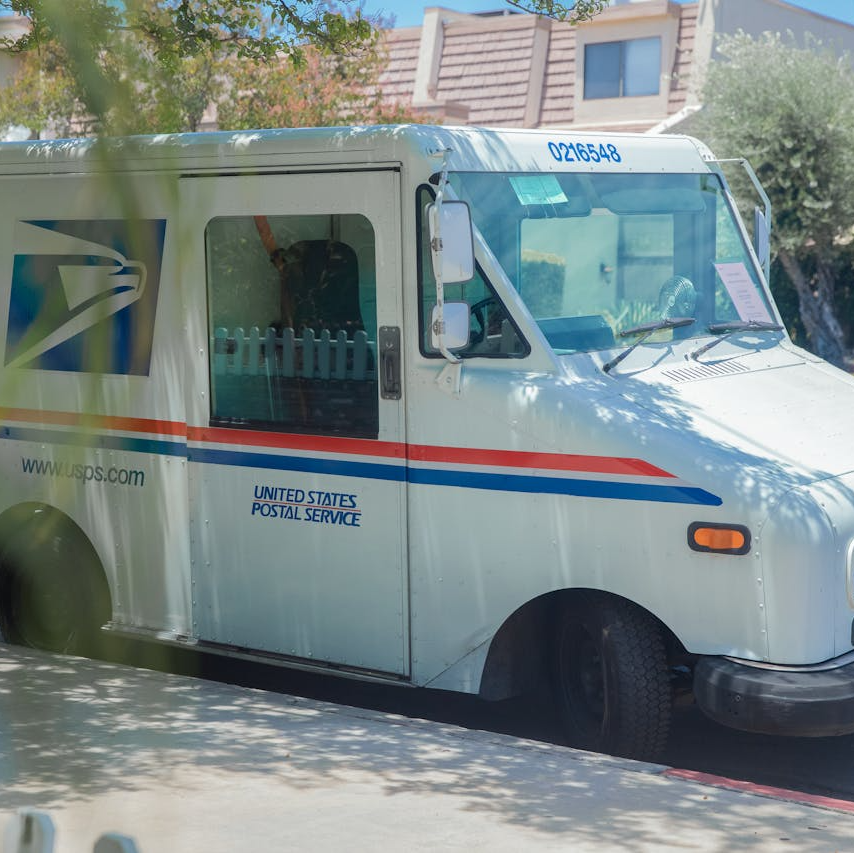
Growing competition from newer models like the Postal Service Health Benefits (PSHB) program for postal retirees, which may influence future policy shifts.
-
Policy debates about whether and how to restructure FEHB to make it more sustainable may gain momentum in Congress.
For many enrollees, this is the time to assess whether your plan is still aligned with your health needs and financial realities.
5 Steps You Should Take Before the Next Open Season
-
Dive deep into your current plan’s brochure
Don’t just skim the highlights. Examine the full details around cost-sharing, pharmacy coverage, and coordination with Medicare. -
Use the OPM comparison tool effectively
Run different scenarios using your expected healthcare needs. Look at total cost projections, not just premiums. -
Reevaluate your Medicare status and strategy
If you’re over 65, think carefully about whether adding Part B (or changing plans) could reduce your risk exposure. -
Recalculate your retirement health budget
Include premiums, deductibles, copays, dental and vision expenses, and what you might need in an emergency. -
Get help from a licensed agent listed on the website
They can provide plan comparisons, explain trade-offs, and help ensure your selections match your health and income profile.
What the Future Holds for FEHB Premiums
Unless structural reforms are implemented, healthcare inflation is likely to keep FEHB premiums rising faster than overall consumer inflation. The following forces will continue to influence premiums in the years ahead:
-
Medical inflation is systemic. Even modest improvements in technology or therapies often come with significant price tags.
-
Pharmaceutical cost growth shows no signs of slowing. Brand-name and specialty drugs are driving a disproportionate share of cost increases.
-
The demographic shift continues. As the federal workforce and retiree base ages, the demand for high-cost care grows.
-
Lack of consumer pressure to reduce spending. Most FEHB participants select a plan once and rarely change, which discourages competitive pricing dynamics.
You can expect another round of increases in 2026 unless these trends are addressed through policy or plan design.
Rethinking Your Healthcare Coverage Strategy in Retirement
FEHB is still one of the most flexible and comprehensive retiree health insurance programs available. But in 2025, you can no longer assume that sticking with your old plan year after year is the best approach.
What you should do now:
-
Explore alternative plans within FEHB that better match your current health needs and budget.
-
Reassess whether Medicare Part B adds value given your total costs, not just premiums.
-
Talk with a financial planner or benefits expert about how to protect your retirement income from escalating healthcare expenses.
Premium increases are no longer an occasional bump—they’re becoming a defining feature of FEHB participation. If you want to preserve your financial security in retirement, make time this year to reevaluate your health coverage.
If you’re unsure where to begin, speak with a licensed agent listed on the website who can help you evaluate your plan choices and answer your questions clearly.