
Key Takeaways
-
You must meet strict eligibility requirements to carry your Federal Employees Health Benefits (FEHB) into retirement.
-
Missing critical timelines or overlooking enrollment rules can cause you to lose FEHB coverage permanently after you retire.
Understanding How FEHB Continues Into Retirement
Federal Employees Health Benefits (FEHB) can be one of the most valuable parts of your retirement package. However, many government employees mistakenly believe it is automatic. In reality, FEHB only stays with you after you retire if you meet specific eligibility criteria.
Rule 1: You Must Retire With Immediate Entitlement
To keep your FEHB coverage, you must retire with an “immediate annuity.” This means:
- Also Read: Divorce and Your Federal Pension—What Happens When You Split Assets and How It Could Affect Your TSP
- Also Read: What Happens to Your Federal Benefits After Divorce? Here’s the Lowdown
- Also Read: The Best FEHB Plans for 2025: Which One Fits Your Lifestyle and Budget the Best?
-
You retire under a standard retirement system like FERS or CSRS.
-
You receive your first pension payment within 30 days of separating from service.
If you opt for a deferred retirement—postponing your annuity—you will not be eligible to continue FEHB into retirement.
Rule 2: You Must Have Five Years of Continuous Enrollment
Another critical rule is the “5-Year Rule.” You must have been continuously enrolled in an FEHB plan for the five years immediately before your retirement, or for the full period of service if less than five years.
Here are some important details:
-
Coverage under a spouse’s FEHB plan counts toward the five years.
-
Tricare coverage counts toward the five years for certain employees.
-
Breaks in coverage longer than 30 days can reset your eligibility timeline.
Rule 3: You Must Be Enrolled on the Date of Retirement
Your active enrollment must be current on the day you retire. Even if you had FEHB for many years, canceling coverage before retirement permanently disqualifies you from continuing FEHB as a retiree.
This rule highlights why it is crucial not to make changes to your FEHB plan without considering the long-term impact, especially in your final years of service.
Rule 4: Your Plan Options Remain the Same
In retirement, you keep the same plan choices you had as an employee. You can:
-
Change plans during Open Season.
-
Add or remove family members if you experience a qualifying life event.
-
Suspend FEHB for other qualifying coverage, such as TRICARE, but resuming FEHB may require adhering to specific timelines and restrictions.
Rule 5: You Still Pay Premiums, But With Some Differences
In retirement, your FEHB premiums continue, but the government still covers approximately 70% of the total premium. Your share is deducted from your annuity payments.
However, retirees pay premiums with after-tax dollars, unlike active employees who enjoy pre-tax deductions.
This subtle but important shift can affect your net retirement income, so you should plan for it accordingly.
Rule 6: Survivor Benefits Matter for Family Coverage
If you want your spouse or dependents to keep FEHB coverage after your death, you must:
-
Elect a survivor annuity at retirement.
-
Maintain a Self Plus One or Self and Family enrollment at the time of death.
Without these actions, your surviving family members will lose their eligibility for continued FEHB.
Rule 7: Suspensions Are Allowed, But With Caution
You may suspend your FEHB if you enroll in another qualifying healthcare program, such as:
-
TRICARE
-
Medicare Advantage Plans
Suspending FEHB saves premium costs but allows you to re-enroll later under certain conditions. However, you must follow strict timelines and procedures to reactivate FEHB, so this decision should not be taken lightly.
Rule 8: Medicare Enrollment Impacts Your FEHB Strategy
At age 65, you become eligible for Medicare. Many retirees choose to enroll in Medicare Part A because it is usually premium-free. Enrolling in Medicare Part B is optional but requires careful consideration.
Key impacts include:
-
FEHB continues regardless of Medicare enrollment.
-
Some FEHB plans coordinate well with Medicare to reduce your out-of-pocket costs.
-
Weighing Medicare enrollment against FEHB coverage costs can significantly impact your healthcare spending in retirement.
Rule 9: Changes During Open Season Remain Available
As a retiree, you still participate in the annual FEHB Open Season, which typically occurs from November to December each year. During this window, you can:
-
Switch plans.
-
Change enrollment types.
-
Add eligible family members after qualifying life events.
Missing Open Season deadlines means waiting another year unless you have a qualifying life event, so it’s important to stay informed and ready.
Rule 10: Canceling FEHB in Retirement is Permanent
If you cancel your FEHB coverage in retirement, it is almost always irreversible.
You cannot simply “opt back in” during a future Open Season if you change your mind. The only exception involves suspending—not canceling—your FEHB to enroll in a qualifying plan like TRICARE or a Medicare Advantage Plan.
Therefore, decisions about FEHB cancellations should be made with extreme caution.
What Happens If You Don’t Meet These Rules
Failure to meet FEHB retirement rules results in:
-
Permanent loss of FEHB coverage.
-
No opportunity to re-enroll.
-
No continuation of FEHB benefits for survivors.
Losing FEHB in retirement means you must seek private insurance coverage, which can be much more expensive and less comprehensive, particularly as you age.
Special Considerations for Postal Service Employees
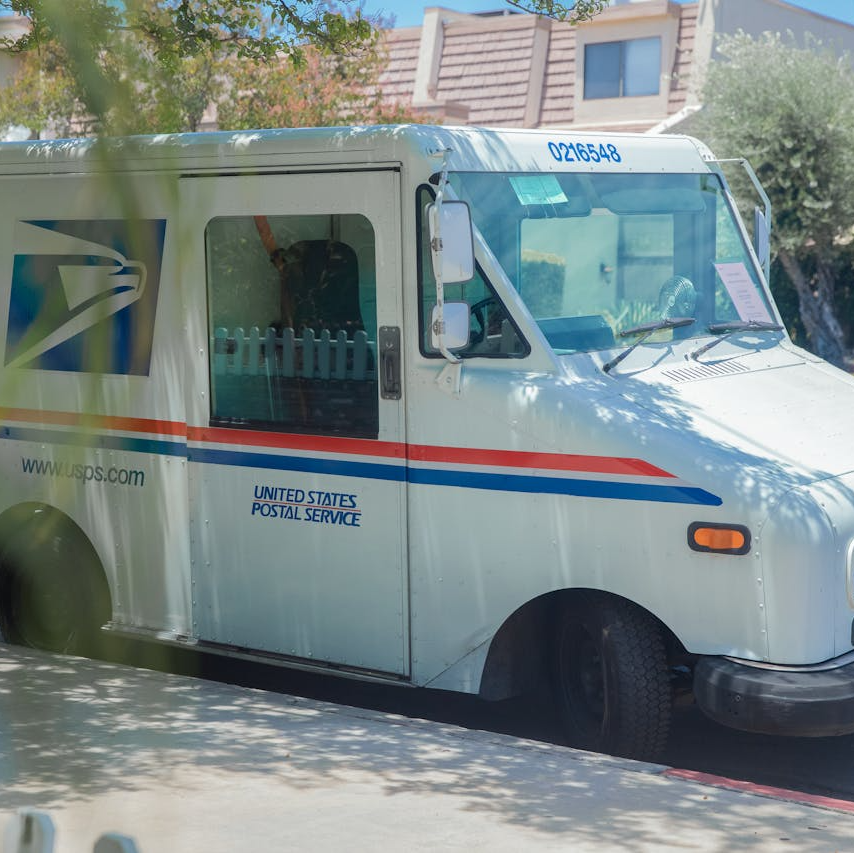
Since January 2025, Postal Service retirees have transitioned to the Postal Service Health Benefits (PSHB) program. However, the same eligibility rules largely apply:
-
Five years of coverage.
-
Immediate annuity entitlement.
-
Enrollment on the date of retirement.
If you are a Postal Service employee or retiree, it is important to understand PSHB-specific rules and enrollment periods to avoid coverage disruptions.
Timing Matters More Than Ever
Because eligibility rules are so rigid, your timeline becomes critical:
-
Start reviewing your FEHB enrollment history 3 to 5 years before retirement.
-
Confirm that there are no gaps longer than 30 days.
-
Ensure you are actively enrolled when you retire.
This careful planning ensures that you don’t unintentionally forfeit one of your most valuable retirement benefits.
How FEHB Costs Evolve During Retirement
While the government still pays the majority of your FEHB premium, overall costs for healthcare often rise with age. Typical expenses you should anticipate include:
-
Annual premium increases.
-
Potentially higher prescription drug costs.
-
Increased out-of-pocket expenses if you need more specialized care.
FEHB plans offer strong protection, but budgeting for healthcare inflation is critical to maintaining financial security through retirement.
Why Understanding These Rules Protects Your Future
Too many government employees reach retirement only to realize they are ineligible to continue FEHB. Understanding and following the rules ensures:
-
Continued access to comprehensive healthcare.
-
Peace of mind for both you and your family.
-
Significant cost savings compared to seeking private insurance.
It is much easier to stay eligible than to scramble for alternatives after retirement.
Staying Covered and Informed
Maintaining FEHB coverage into retirement requires advance planning, careful decision-making, and ongoing attention to enrollment requirements and Open Season opportunities.
The benefit is significant: lifelong access to one of the most stable and comprehensive health insurance programs available to retired government employees.
Protect Your Healthcare Security
Safeguarding your FEHB benefits in retirement means taking proactive steps now. Work closely with a licensed professional listed on this website who understands public sector retirement benefits and can guide you through the eligibility and planning process. Don’t leave your healthcare future to chance—take control today.