Key Takeaways
- Understand the primary differences in dependent eligibility and coverage as PSHB replaces FEHB for postal employees and their families.
- Get clear guidance on preparing your family for the transition and what steps to take to ensure uninterrupted healthcare coverage.
If you’re a federal employee or retiree, you might wonder how your family’s healthcare benefits will change as the Postal Service Health Benefits (PSHB) program takes over for the familiar Federal Employees Health Benefits (FEHB) Program. With new requirements and eligibility rules rolling out, it’s important to know exactly what to expect for dependents who rely on this coverage.
What Is PSHB in Federal Benefits?
Overview of PSHB
- Also Read: Top FERS Benefits Expert: Pros & Cons of Comparing Federal Retirement Plans
- Also Read: Best CSRS Retirement Planner Trends: Comparison and Key Planning Factors 2026
- Also Read: Myth vs Fact: Breaks in Service and Impact on Benefits for Federal Employees
Purpose in Federal Healthcare
The shift to PSHB was designed to address long-term funding, sustainability, and coverage needs within the postal workforce. PSHB aims to streamline benefits, align healthcare options with the broader federal benefits strategy, and ensure continued access to comprehensive medical coverage. For families, this means new enrollment processes and potential changes to what is covered and who qualifies.
How Does PSHB Differ from FEHB?
Plan Structure Differences
While both PSHB and FEHB offer a range of plan choices including fee-for-service and health maintenance organization (HMO) options, there are a few important distinctions. PSHB introduces plan options dedicated only to USPS members, which may influence provider networks, benefit designs, and costs specific to this group. The overall structure remains focused on comprehensive coverage, but the new offerings may differ in plan availability and certain features compared to what FEHB provided.
Administration and Coverage Changes
FEHB covers a wide range of federal employees and retirees across different agencies, but PSHB narrows that focus exclusively to USPS populations. Administration has shifted from the broader Office of Personnel Management (OPM) administration under FEHB, to a more centralized approach for postal families under PSHB. There may also be changes in coverage details—such as prescription management or network changes—reflecting the specific needs of postal employees and their dependents.
Who Qualifies as a Dependent?
Common Dependent Categories
For both FEHB and PSHB, eligible dependents generally include:
- Legally married spouse
- Children under age 26 (including adopted children, stepchildren, or foster children in some cases)
- Eligible disabled children of any age (if disability occurred before age 26)
Recognizing these categories helps families understand who can maintain coverage during the transition from FEHB to PSHB.
What Has Changed under PSHB?
While many dependent definitions remain consistent, PSHB brings some important clarifications:
- The same age and relationship criteria from FEHB typically apply. However, dependents must be enrolled under a PSHB plan, and eligibility is re-evaluated during the PSHB open season.
- Adult children formerly covered under FEHB will need to actively confirm eligibility and enroll under PSHB.
- Coordination with other government programs, such as Medicare for postal retirees, will play a bigger role in determining continuing coverage for some dependents.
How Are Dependents’ Benefits Changing?
Eligibility Adjustments Explained
Dependents who were eligible under FEHB are generally grandfathered into PSHB, but with key requirements:
- All covered family members must verify eligibility during the PSHB enrollment period. This may require documentation.
- There are new rules for dual coverage (such as dependents who could qualify under more than one family member’s plan), so families should review each case carefully.
- If a dependent aged out of FEHB or lost eligibility for another reason prior to PSHB’s start, they are not automatically reinstated under PSHB.
Coverage Details for Dependents
PSHB plans are designed to closely mirror FEHB when it comes to core benefits—doctor visits, hospital care, preventive services, and prescriptions. However, dependents may see differences such as:
- Changes to in-network providers or pharmacy lists, depending on the specific PSHB choices available in your area.
- Adjustments in how specialty care or mental health services are accessed.
- New requirements for coordination with Medicare (especially for retiree dependents), which may impact which provider you see and how claims are paid.
Communication with your plan and careful review of the new PSHB guidebooks is the best way to identify any differences in service coverage for your family.
What Should Affected Families Know?
Communication Tips for Families
Navigating this transition can feel daunting, but open conversation helps. Here’s how you can keep your family informed and proactive:
- Discuss PSHB changes with your dependents early and often, explaining what’s required during the open season.
- Review dependent eligibility together, and gather any paperwork that may be needed well ahead of time.
- If you care for a dependent with special needs or circumstances, reach out to your HR representative or plan administrator for guidance.
Clear, direct communication will prevent last-minute surprises and reduce stress during enrollment.
Preparing for the Transition
Here are practical steps to ensure your family is ready for PSHB:
- Mark open season dates on your calendar and review your current FEHB information, comparing it to new PSHB options before making decisions.
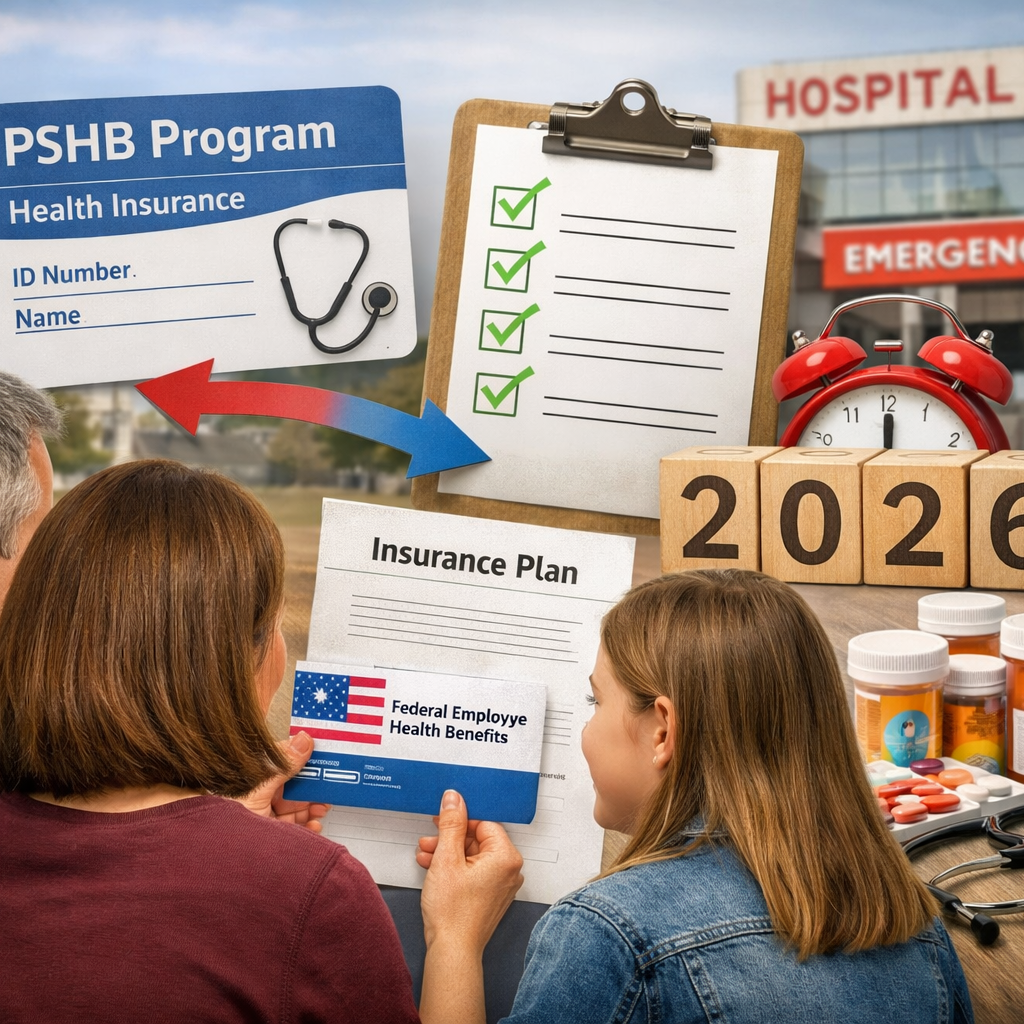
- Create a checklist: Confirm the list of covered dependents, assemble required documents, and clarify any dual coverage scenarios.
- Contact the PSHB plan’s customer support for clarification if you’re unsure how any changes apply to your situation.
- Take time to educate yourself using official resources from your employer or plan provider, which often include comparison charts and FAQs.
Staying proactive and organized can ensure a smooth transition for your entire family.