
Key Takeaways
-
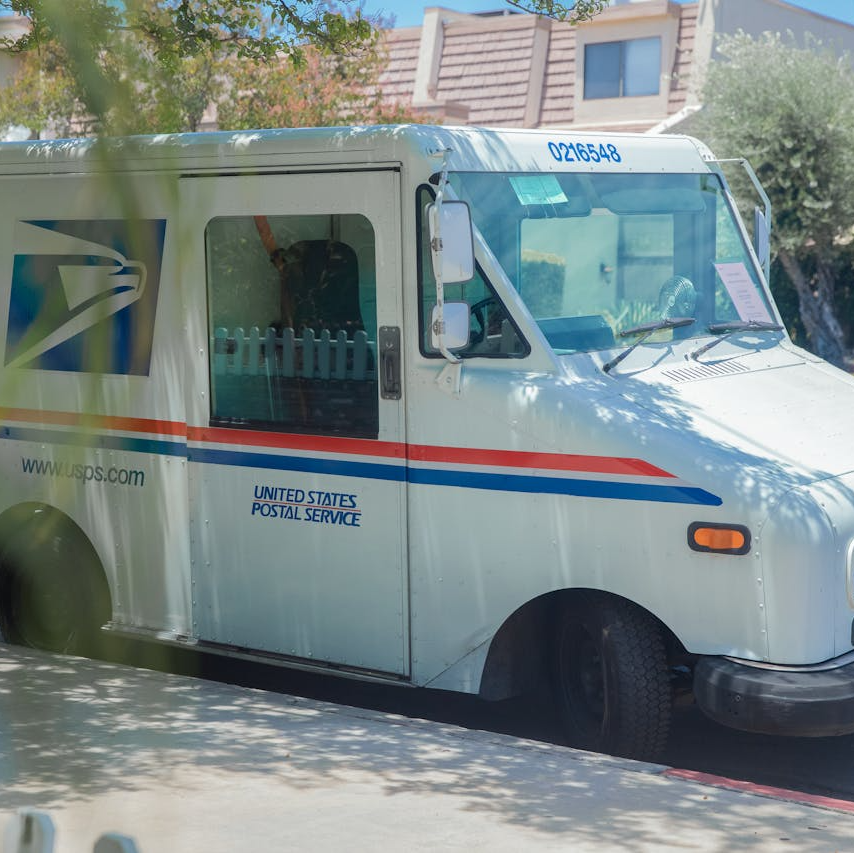
The Postal Service Health Benefits (PSHB) Program is fully active in 2025, replacing FEHB for USPS employees and retirees.
-
Certain Medicare-eligible annuitants and their family members must now be enrolled in Medicare Part B to retain PSHB coverage.
Why 2025 Is a Pivotal Year for Postal Retirees
If you’re a retired U.S. Postal Service employee, 2025 brings a major shift to how your health coverage works. The new Postal Service Health Benefits (PSHB) Program is no longer a proposal—it’s fully operational. This transition from the long-standing Federal Employees Health Benefits (FEHB) Program is the most significant change to postal retiree health benefits in decades.
- Also Read: Divorce and Your Federal Pension—What Happens When You Split Assets and How It Could Affect Your TSP
- Also Read: What Happens to Your Federal Benefits After Divorce? Here’s the Lowdown
- Also Read: The Best FEHB Plans for 2025: Which One Fits Your Lifestyle and Budget the Best?
Overview of the PSHB Program in 2025
As of January 1, 2025, all USPS annuitants and employees are covered under the PSHB Program instead of FEHB. While the Office of Personnel Management (OPM) still oversees the program, PSHB is tailored specifically to Postal Service participants, with distinct rules, benefits, and requirements.
Key Features of PSHB
-
Separate from the general FEHB Program
-
Available only to USPS employees, annuitants, and their eligible family members
-
Offers similar plan types and coverage levels but may differ in benefits coordination
-
Includes Medicare Part D prescription drug coverage for eligible retirees
Medicare Enrollment Now Tied to PSHB Coverage
One of the most critical updates in 2025 is the requirement for certain annuitants and their dependents to enroll in Medicare Part B. This is not optional if you want to maintain PSHB coverage.
Who Must Enroll in Medicare Part B?
You must be enrolled in Medicare Part B if:
-
You are a USPS annuitant or family member and are eligible for Medicare,
-
You retired after January 1, 2025,
-
Or you are under age 65 on January 1, 2025, and become Medicare-eligible later
Exceptions to the Rule
-
Annuitants who retired on or before January 1, 2025, and are not enrolled in Part B
-
Individuals with access to other qualifying coverage (e.g., VA or Indian Health Services)
-
Residents living overseas where Medicare isn’t available
If you fall into one of the exception categories, you can retain your PSHB coverage without enrolling in Part B.
Coordination of Benefits With Medicare
PSHB plans are designed to work closely with Medicare. If you are eligible and enrolled in both PSHB and Medicare Part B:
-
Your PSHB plan acts as secondary payer, reducing your out-of-pocket costs
-
Some PSHB plans waive deductibles or copays for Medicare enrollees
-
You receive integrated pharmacy benefits through a Medicare Part D Employer Group Waiver Plan (EGWP)
This coordinated structure may save you money—but only if you’re properly enrolled.
Important Deadlines You Can’t Afford to Miss
If you became eligible for Medicare before 2025 but didn’t enroll in Part B, and now need to meet the PSHB requirements, there was a Special Enrollment Period (SEP) from April 1 to September 30, 2024. If you missed this, you may face penalties or coverage issues.
Annual Open Season (November–December)
During this period, you can:
-
Switch between PSHB plans
-
Add or remove eligible family members
-
Confirm your Medicare enrollment for better plan matching
Outside of Open Season, changes can only be made with a Qualifying Life Event (QLE), such as marriage, divorce, or a move.
How Premiums and Cost Sharing Work in 2025
While PSHB plan costs vary by coverage type and plan choice, some general trends are notable in 2025:
-
The government continues to pay approximately 70% of the total premium
-
Your monthly share depends on the plan and whether you’re Self Only, Self Plus One, or Self and Family
-
In-network deductibles range from $350 to $2,000 depending on the plan
-
Copayments vary, with primary care visits typically ranging from $20 to $40
-
Out-of-pocket maximums for in-network services are generally $7,500 for Self Only and $15,000 for family coverage
It’s important to review the PSHB brochures each year to understand your costs fully.
Drug Coverage Through Medicare Part D EGWP
All Medicare-eligible PSHB enrollees are automatically enrolled in a Medicare Part D EGWP unless they actively opt out. This plan offers:
-
A $2,000 annual out-of-pocket cap on prescription costs
-
A $35 monthly cap on insulin
-
Access to an expanded pharmacy network
Opting out may result in the loss of prescription drug benefits under PSHB, and re-enrollment may be restricted.
What Happens If You Don’t Comply?
Failing to enroll in Medicare Part B when required can lead to termination of your PSHB coverage. The enforcement of this rule starts in 2025. USPS retirees who don’t comply may:
-
Lose their health insurance entirely
-
Be ineligible to reenroll in PSHB later
-
Face higher costs under other healthcare arrangements
That’s why checking your Medicare eligibility and enrolling in time is crucial.
Impact on Non-Postal Federal Benefits
Other benefits you may rely on—like FEDVIP (vision and dental), FEGLI (life insurance), and FLTCIP (long-term care insurance)—are unaffected by the PSHB transition. Your eligibility for these programs remains based on your status as a federal retiree or annuitant.
You can continue to:
-
Enroll in or change FEDVIP plans during Open Season
-
Maintain FEGLI coverage if you retained it into retirement
-
Keep FLTCIP coverage if you enrolled before the program freeze for new applicants
Resources to Help You Stay Informed
Several official resources are available in 2025 to help you make informed decisions:
-
KeepingPosted.org: For annuitants to manage PSHB enrollment
-
LiteBlue: For active USPS employees
-
PSHB Navigator Help Line: 1-833-712-7742
-
OPM.gov: To compare plans and read brochures
Using these tools can prevent missteps and help you select the best coverage based on your circumstances.
What You Should Do Now to Prepare
To stay on top of your retirement health benefits:
-
Confirm your Medicare Part B enrollment if required
-
Review the PSHB plan options during Open Season
-
Compare costs and benefits annually—even if you’re satisfied with your current plan
-
Stay aware of deadlines to avoid coverage gaps or penalties
These small steps can protect your benefits and save money in the long run.
Making Informed Health Coverage Decisions Starts Now
The transition to the PSHB Program in 2025 is more than a formality—it affects your financial health and access to care. Take the time to understand your responsibilities, review your plan options, and ensure your Medicare enrollment aligns with your PSHB status.
If you’re unsure where to begin, get in touch with a licensed professional listed on this website who can guide you through the details.