Key Takeaways
- Buying back your military time can increase your federal pension significantly, potentially adding thousands to your retirement income.
- While it may require upfront costs, the long-term benefits of a military buyback are often worth the investment, particularly if you plan to retire from federal service.
Thinking About Buying Back Your Military Time?
If you’re a federal employee with military service in your background, you may be considering whether to buy back that time to enhance your civilian retirement. For many, it’s a smart move that pays off handsomely over the long run, but the decision can depend on factors unique to each person’s service record and retirement plans. Let’s break down why you might want to consider it and what it entails.
What Does It Mean to “Buy Back” Military Time?
- Also Read: Best FEHB Plan Guidance: How to Compare Federal Employee Health Options
- Also Read: Military Deposit Application Forms Walkthrough: Comparing Steps and Alternatives
- Also Read: How-to Use Income Guardrails for Federal Retirees: Strategies and Comparisons
Here’s how it works: When you make this deposit, you’re essentially making up for contributions that would have gone toward your federal pension had you been a civilian employee at the time. This buyback period usually lasts a few years, during which you’ll pay a percentage of your military earnings, plus interest, to add those years to your federal service record.
Why Consider a Military Buyback?
The main appeal of buying back your military time is financial. Adding military years to your civilian federal service can boost your monthly pension payout significantly. Since FERS and CSRS pensions are based on both your high-3 average salary and your total years of service, every additional year you buy back can increase your pension payout by about 1-1.1% for FERS employees or up to 2% for CSRS employees. Over a typical retirement, this boost can result in substantial additional income.
The benefits don’t end with increased pension income. A military buyback can also help you retire earlier, particularly if you’re close to meeting the eligibility requirements. Additionally, purchasing your military time might improve the payout of any survivor benefits, providing added financial security for your family.
How Much Will a Buyback Cost?
The cost of a military buyback depends on two main factors: your military earnings and how much time has passed since you left active duty. Generally, if you act within the first two years of entering federal civilian service, you can avoid paying interest on your buyback amount. After two years, however, interest accrues on your buyback deposit, which can increase the overall cost over time.
For FERS employees, the standard deposit rate is about 3% of your military base pay, while CSRS employees typically pay closer to 7%. It’s possible to set up a payment plan if you can’t pay the entire amount at once, and you may be able to use retirement savings to cover the cost if it fits your overall financial plan. Although the initial cost may seem high, many employees find that the benefits far outweigh the upfront expense.
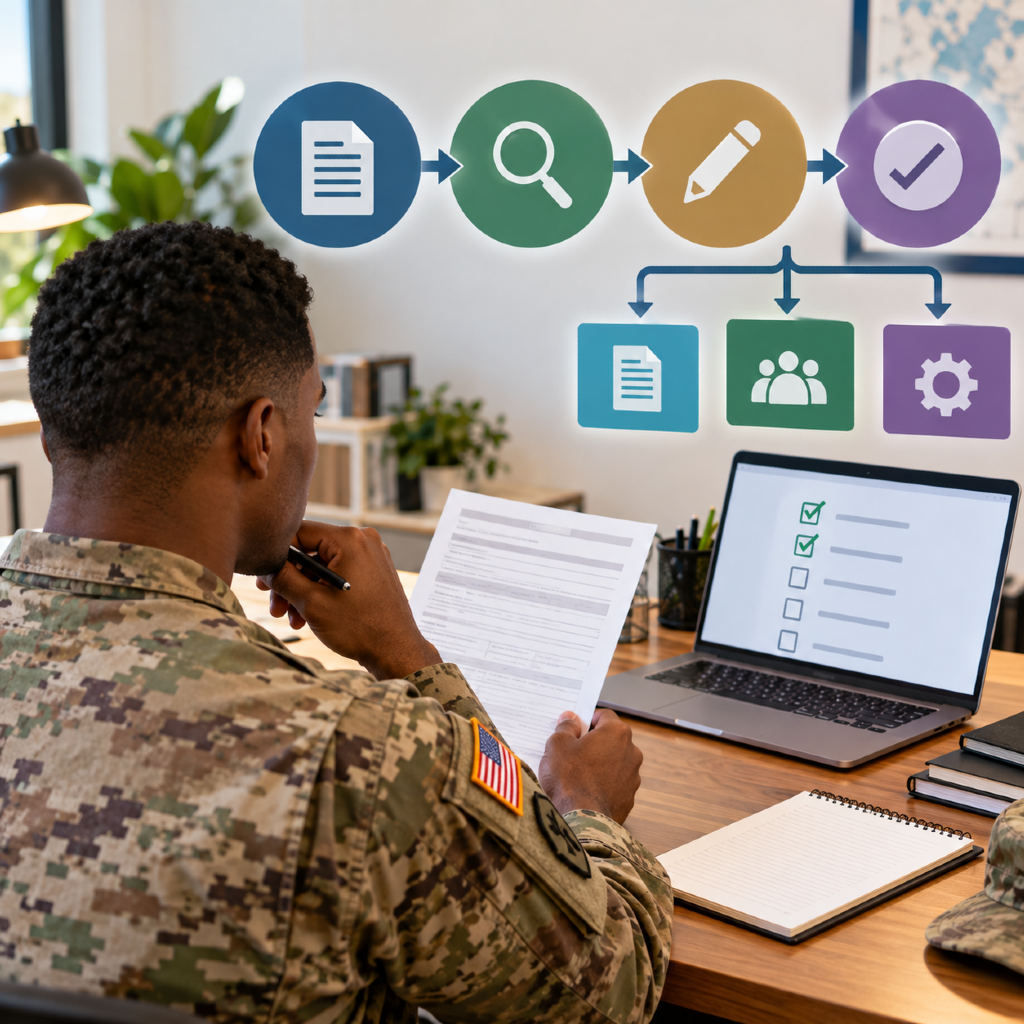
What Are the Steps to Buy Back Military Time?
1. Request Your Estimated Earnings
The first step in buying back military time is obtaining your estimated earnings from each branch of the military in which you served. You’ll need these records to calculate how much you owe for the buyback deposit.
2. Submit Your Buyback Application
Once you have your earnings, submit your buyback application along with your documentation to your federal HR office. The HR office will calculate your deposit amount, including any interest if applicable.
3. Make the Deposit
After receiving confirmation of your deposit amount, you can arrange to pay the buyback amount. Many federal agencies offer payroll deductions or payment plans to help spread out the cost.
4. Verify Your Updated Service Record
Once your deposit is complete, verify that your military time has been added to your federal service record. This step ensures your pension will reflect the additional years of service.
Timing Is Everything – When to Act on a Buyback
Ideally, a military buyback should happen early in your federal career to avoid interest charges. If you complete the buyback within your first two years of federal employment, you typically won’t owe any interest on the deposit. Delaying the buyback can increase the cost due to accumulated interest, making it more expensive in the long run.
However, even if some years have passed, the buyback can still be worthwhile. For many employees, the potential increase in retirement income and the added flexibility to retire sooner outweigh the added cost of interest.
Pros and Cons of a Military Buyback
Pros
- Higher Pension: In most cases, buying back military time increases your federal pension payout significantly, as each added year boosts your retirement income.
- Earlier Retirement: More years of credited service can help you reach retirement eligibility sooner.
- More Survivor Benefits: A higher pension may also lead to better survivor benefits, providing added financial security for your family.
Cons
- Upfront Cost: The buyback requires a financial commitment, which may be a challenge depending on your budget.
- Interest Accumulation: Waiting too long to buy back your time can lead to higher costs due to interest on your deposit.
- Permanent Decision: Once you buy back your military time, you can’t later choose to receive a military retirement benefit for that time instead.
What If You Already Have a Military Pension?
Federal employees who receive a separate military pension may still be able to buy back their time, but doing so would likely require them to forfeit their military pension upon retirement from federal service. For employees with a military pension, deciding whether to buy back time can be complex. It’s worth calculating the financial trade-offs in both situations, as the added years could still provide substantial long-term value, especially under FERS.
When Might a Military Buyback Not Be Worth It?
In some cases, a buyback might not be the best option. For instance, if you are close to retirement or if your federal salary has been relatively low, the added years might not make a significant difference to your pension. Additionally, if your military service is relatively short or if the buyback cost, especially with interest, is prohibitive, you may find that the additional retirement benefit does not justify the cost.
Making an Informed Decision
Before deciding, carefully review the potential financial benefits and costs. Use available resources like federal HR offices or online retirement calculators to estimate how much buying back time would impact your pension. If you’re unsure, consulting with a retirement specialist familiar with federal and military benefits can be helpful, especially if you’re considering a phased retirement or other unique scenarios.
Boosting Your Federal Pension with a Military Buyback
Buying back your military time is a decision that can have a substantial impact on your federal retirement. While the upfront cost and process might seem daunting, the payoff in added pension income, earlier retirement options, and enhanced survivor benefits can be well worth the investment. By acting sooner rather than later, you can avoid unnecessary interest charges and secure a more financially rewarding retirement.