
Key Takeaways
-
Your dental and vision needs don’t disappear in retirement, and FEDVIP offers flexible, long-term coverage options that can protect your future finances.
-
Making a smart FEDVIP choice in 2025 could reduce your out-of-pocket healthcare expenses over the next 10, 15, or even 25 years of retirement.
Understanding FEDVIP in Retirement
As a government retiree, you likely already know about the Federal Employees Dental and Vision Insurance Program (FEDVIP). But in retirement, it becomes more than just an optional add-on—it could become a financial safeguard.
- Also Read: Divorce and Your Federal Pension—What Happens When You Split Assets and How It Could Affect Your TSP
- Also Read: What Happens to Your Federal Benefits After Divorce? Here’s the Lowdown
- Also Read: The Best FEHB Plans for 2025: Which One Fits Your Lifestyle and Budget the Best?
In 2025, FEDVIP continues to offer a selection of plans tailored to different coverage needs and budgets. And unlike FEHB, you can enroll in FEDVIP even if you aren’t enrolled in FEHB in retirement, provided you’re eligible. The program is administered through BENEFEDS and is open to both federal retirees and survivors who receive an annuity.
Why Dental and Vision Coverage Still Matters
It’s easy to underestimate just how often dental and vision services are needed as you age. Over time, untreated or unanticipated needs can become costly.
Here’s why it matters in retirement:
-
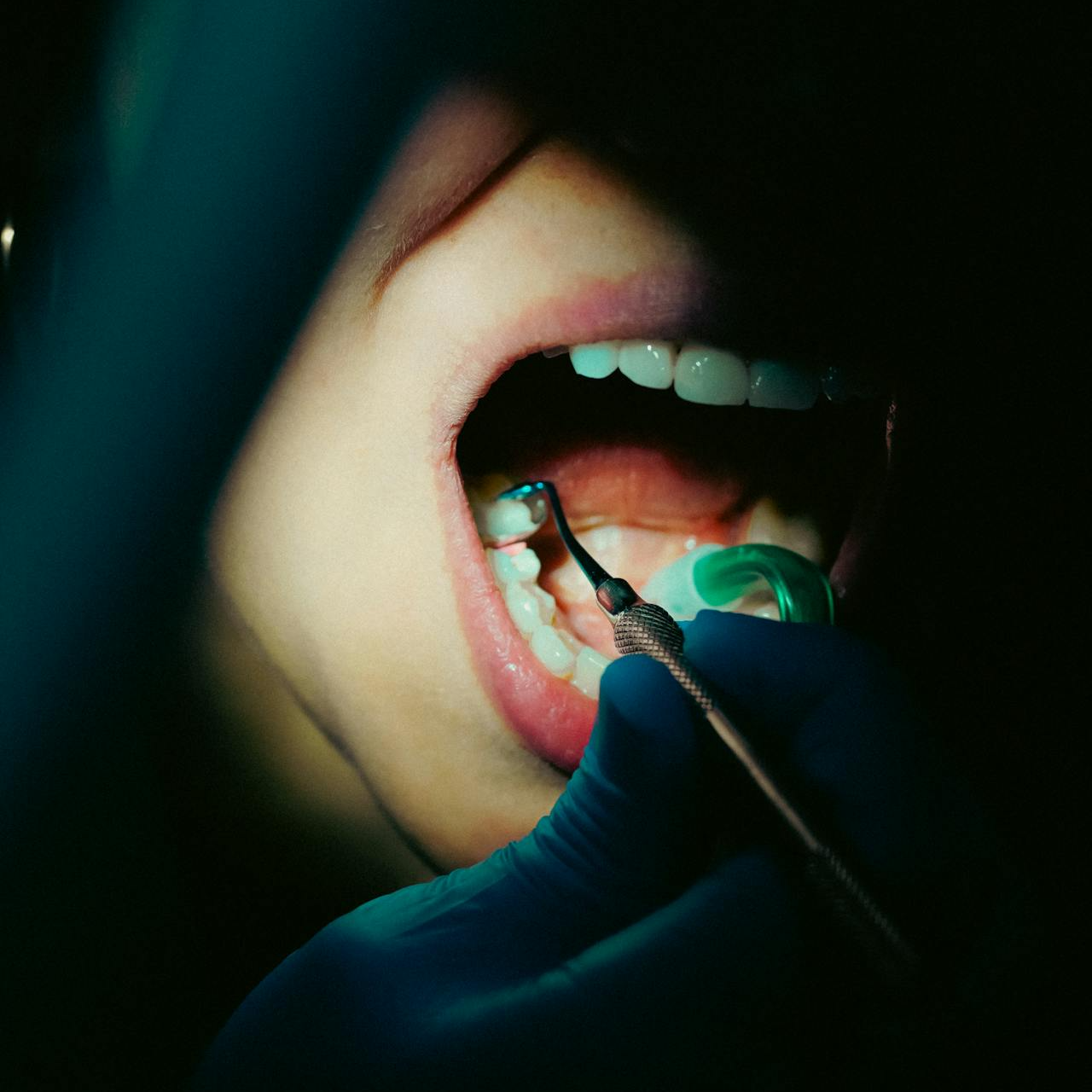
Dental procedures like crowns, implants, and root canals can each cost hundreds or even thousands of dollars out-of-pocket without coverage.
-
Vision care becomes increasingly important with age. Cataracts, glaucoma, and age-related macular degeneration all require regular monitoring.
-
Preventive services such as cleanings and annual eye exams often go uncovered or under-covered without dedicated plans.
FEDVIP helps bridge these gaps and smooth out your healthcare costs as you move into the next phase of life.
What Sets FEDVIP Apart in 2025
Several features make FEDVIP particularly attractive to retirees:
-
No pre-existing condition exclusions: All enrollees receive full benefits, regardless of past dental or vision issues.
-
Nationwide coverage: Ideal if you plan to move or travel frequently in retirement.
-
No waiting periods for major procedures in many plans if you are a new retiree who had FEDVIP before retirement.
-
Group rates: These plans offer group pricing that can reduce the overall cost compared to seeking private insurance individually.
FEDVIP’s stability and continuity of coverage from employment to retirement also eliminate disruption. If you were enrolled during your working years, you can maintain your same plan into retirement without starting over.
Enrollment Periods and Timing Considerations
The annual Open Season for FEDVIP takes place every year from mid-November through mid-December, aligning with the FEHB Open Season. If you miss this window, you generally can’t enroll or make changes unless you experience a Qualifying Life Event (QLE) like marriage, loss of other coverage, or the death of a spouse.
If you’re retiring in 2025 and haven’t yet enrolled in FEDVIP, you can do so within 60 days of your retirement as part of a QLE. This one-time window is crucial because if you miss it and aren’t already enrolled, you may have to wait until the next Open Season.
Making the Right Choice for Your Needs
Every retiree’s dental and vision needs differ, so choosing the right plan comes down to asking yourself a few key questions:
-
Do you anticipate major dental work in the next few years?
-
How often do you need new glasses or contacts?
-
Are you seeing specialists for ongoing vision conditions?
-
Is your preferred dentist or eye doctor in-network?
-
Do you travel often or plan to move to a new state in retirement?
Use these answers to compare FEDVIP plans on BENEFEDS. Don’t just choose the cheapest option—consider coverage levels, provider access, and potential long-term savings.
Potential Long-Term Savings
The real savings from FEDVIP happen over the long haul. Here’s how it can add up:
-
Routine dental cleanings and exams: Without coverage, these may cost $100-$300 per visit. If you go twice a year, that’s up to $600 annually.
-
Glasses and eye exams: A new pair of prescription lenses and frames could run $400-$800 depending on quality and extras.
-
Major dental work: Implants, bridges, or periodontal treatments can cost thousands. With FEDVIP, coinsurance and copayments lower your out-of-pocket exposure.
Over 10 years, a retiree who uses regular dental and vision care could potentially save thousands of dollars compared to paying entirely out-of-pocket.
Coordination With Other Benefits
Many retirees coordinate FEDVIP with FEHB or Medicare. Since FEHB plans often lack strong dental and vision benefits, FEDVIP fills that gap.
If you’re enrolled in Medicare, especially Original Medicare, you should know it provides very limited coverage for dental or vision services unless related to a specific medical condition. That’s another reason FEDVIP can play an essential role in your overall health coverage.
Keep in mind:
-
FEDVIP premiums are paid post-tax in retirement
-
You can still change your plan during any future Open Season
-
Enrollment is not automatic at retirement—you must actively choose to enroll or continue coverage
Survivors and Spouses: Know Their Options
If you pass away in retirement, your surviving spouse or eligible family members may continue FEDVIP coverage if they are already enrolled at the time of your death and are eligible for a survivor annuity.
That makes it even more important to include family needs in your decision-making. Coverage can be maintained without interruption if your loved ones are properly set up during your retirement.
Common Mistakes to Avoid
Several missteps can lead to unnecessary expenses or loss of coverage:
-
Missing your enrollment window: Many retirees assume coverage continues automatically. It doesn’t.
-
Choosing based only on premiums: Low premiums can mean less coverage, higher copays, or fewer in-network providers.
-
Not reviewing annually: Your needs change over time. Review your plan each year during Open Season.
-
Forgetting about survivors: Not planning ahead for your spouse’s or dependents’ continued access to FEDVIP could leave them without needed care.
Avoiding these mistakes helps you get the most out of your retirement benefits.
Why 2025 Is a Good Year to Reevaluate
Healthcare costs continue to rise in 2025, and dental and vision care are no exception. That makes this year a smart time to reevaluate your FEDVIP choices.
If you’re newly retired or planning to retire soon, consider:
-
Reviewing anticipated medical expenses for the next 5 to 10 years
-
Calculating the total cost of uncovered dental and vision services
-
Exploring plans that match your changing lifestyle, such as travel or relocation
Even if you’ve been retired for years, it’s never too late to reassess your current plan during Open Season.
Planning for Retirement Should Include Your Teeth and Eyes
FEDVIP isn’t a luxury—it’s a vital part of a well-rounded retirement plan. You may not need a root canal today, but five years from now, it could become a priority. The right plan can protect you from financial stress when those needs arise.
Make sure you explore your FEDVIP options this Open Season. And if you’re unsure which direction to take, speak to a licensed agent listed on this website for personalized assistance.