
Key Takeaways
- Planning for medical costs in retirement helps avoid financial surprises and ensures you maintain your preferred lifestyle.
- Reviewing healthcare options and updating your budget yearly can better prepare you for both expected and unexpected medical expenses.
Navigating healthcare expenses is one of the most important tasks you face as a federal retiree. Understanding all the costs, reevaluating your coverage, and being proactive can help you better prepare for both routine and unexpected medical needs. Here’s a straightforward guide to support your financial well-being in retirement.
Why Budgeting for Health Matters
Retiree health cost challenges
- Also Read: Phased Retirement Program: Key Steps, Pension Impact, and Eligibility Rules
- Also Read: Survivor Benefits Comparison: Federal, USPS, and Military Eligibility Rules
- Also Read: Case Study: TSP Loans—Eligibility, Repayment, and Retirement Impact Explained
Impact of medical expenses on retirement
Medical costs are among the top household expenses for retirees. Without active income from employment, these costs can affect your ability to meet other financial needs or limit the activities you enjoy in retirement. Building medical costs into your budget ensures you can address needs as they arise, so your retirement stays on track.
What Medical Costs Should You Expect?
Types of retiree healthcare expenses
Healthcare costs in retirement go beyond routine doctor visits. You may face premiums for federal health programs, deductibles, copays for visits or prescriptions, dental and vision care, and potential specialty care needs. Emergency services, rehabilitation, and even home health support could also be part of your planning.
Understanding recurring versus unexpected costs
Recurring costs—like monthly premiums or regular medications—are usually predictable. However, it’s the unexpected expenses, including surgeries or sudden illness, that can disrupt your budget. Preparing for both types ensures your plan is thorough and practical.
Tip 1: Review Retirement Healthcare Options
Federal health program benefits
Federal retirees often have access to specialized healthcare programs like the Federal Employees Health Benefits (FEHB) program. Understanding what each option includes—such as coverage for preventive care, specialist visits, or out-of-network procedures—can help you make informed decisions during annual open enrollment.
Medicare considerations for retirees
If you’re approaching age 65, it’s important to understand your Medicare eligibility and how it coordinates with federal health programs. Some retirees choose to pair FEHB with Medicare Part A and/or B. Be sure to review how these programs align, as your choices could influence both coverage and cost.
Tip 2: Track Healthcare Spending Regularly
Tools for expense monitoring
Consider using a budgeting app or spreadsheet tailored for retirees to record each health-related expense. Many federal employee associations provide printable worksheets or online tools to help you stay organized. Tracking expenses over time reveals trends and helps catch any billing errors early.
Staying ahead of budget changes
By regularly reviewing what you spend, you can spot if certain costs increase or if you’re paying for unused services. Staying proactive lets you adjust your plan—reallocating funds between categories or seeking out less expensive options when possible.
Tip 3: Consider Supplemental Health Coverage
Role of supplemental insurance
Even strong federal health plans may leave some gaps, especially for services like dental care, vision, or international travel. Supplemental coverage can help with costs your primary plan doesn’t cover. This might include policies for hospital stays, critical illness, or specialized treatments.
Evaluating the need for extra coverage
When deciding if extra coverage makes sense, assess your health needs and financial comfort level. Review the details of what various supplemental plans offer and weigh the premiums against your potential out-of-pocket risk.
Tip 4: Plan for Prescription Drug Costs
Managing rising medication expenses
Prescription costs can rise over time—sometimes dramatically. Review your plan’s drug formulary (list of covered medications) each year, as coverage or co-pays can change. Ask your healthcare provider about lower-cost or generic alternatives when available.
Federal retiree prescription options
Federal retirees often have access to prescription plans through FEHB or Medicare Part D. Compare plans during enrollment, focusing on the medications you use most. Some programs offer mail-order options or discounts, helping you keep regular medication costs predictable.
Tip 5: Include Long-Term Care Possibilities
What is long-term care?
Long-term care refers to extended support for daily living activities—such as bathing, dressing, or meal preparation—often needed due to illness, injury, or aging. These services may be provided at home, in assisted living, or in nursing facilities.
Preparing for care expenses
Long-term care can be a significant expense that’s not always covered by standard health insurance. Evaluate whether self-funding, long-term care insurance, or a combination of resources fits into your retirement plan. Early planning increases your options and peace of mind.
Tip 6: Utilize Health Savings Accounts
How health savings accounts work
If you’re enrolled in a high-deductible health plan, you may be eligible for a Health Savings Account (HSA). Contributions to an HSA are tax-advantaged and can be used for qualified medical expenses, now or in the future.
Benefits of strategic contribution
Organizing regular contributions to your HSA helps you build a reserve for future medical costs. These accounts grow tax-free, and you control how and when you use the funds, making them a flexible tool for health expense budgeting.
Tip 7: Revisit Your Budget Annually
Annual review best practices
Set aside time each year to look over your medical costs, coverage, and changing needs. Gather statements from all your health accounts and insurance plans to see where your money is going.
Adjusting for new health needs
If you develop new conditions or your prescriptions change, make sure your budget adapts. Life changes—like a spouse’s retirement or shifts in household income—can also impact your planning. Stay flexible to keep your budget realistic and effective.
Tip 8: Seek Professional Guidance When Needed
When to consult financial services
If you’re unsure how changes in federal health programs affect you or want help with complex budgeting decisions, consulting a financial services professional can provide clarity. They can review your entire retirement plan to ensure your healthcare budget aligns with your broader financial goals.
Staying informed about retiree healthcare programs
Rules and offerings for federal programs can shift from year to year. Stay informed by attending webinars, joining retiree groups, and reading official updates so you’re prepared for any changes that could impact your healthcare options.
How Can You Control Unexpected Costs?
Emergency planning strategies
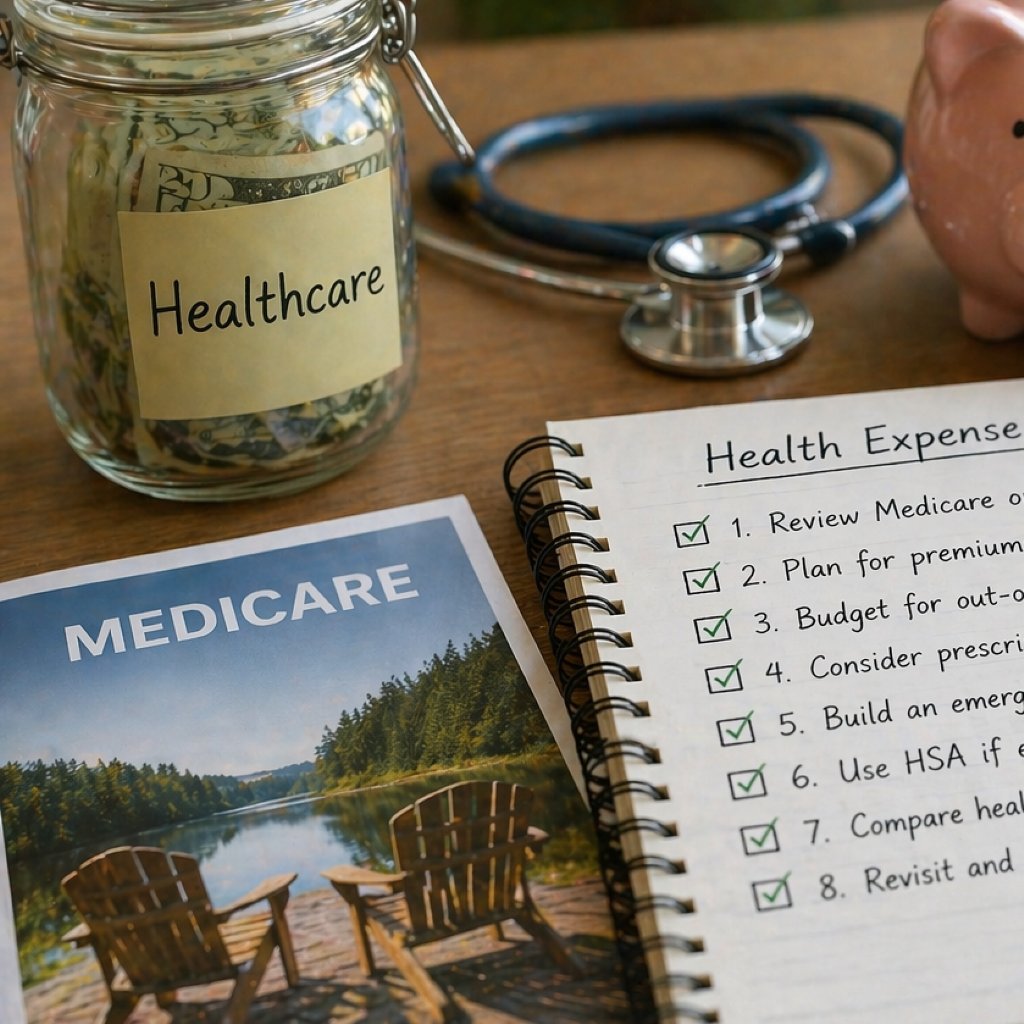
Set aside part of your savings as an emergency fund dedicated to health needs. Consider establishing automatic transfers into this fund so it grows over time. Having resources ready helps you respond quickly in a crisis.
Resources for unplanned health needs
In addition to your own savings, familiarize yourself with federal and local assistance programs that support retirees in financial emergencies. Many nonprofits also offer guidance or short-term help if you experience sudden medical events.